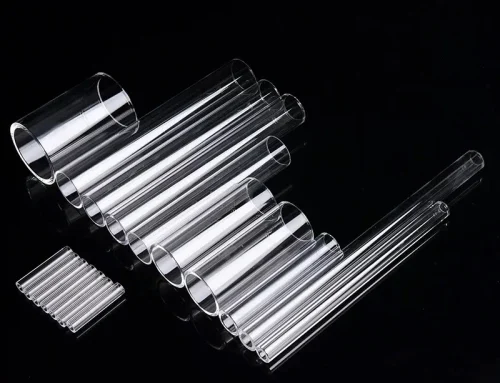
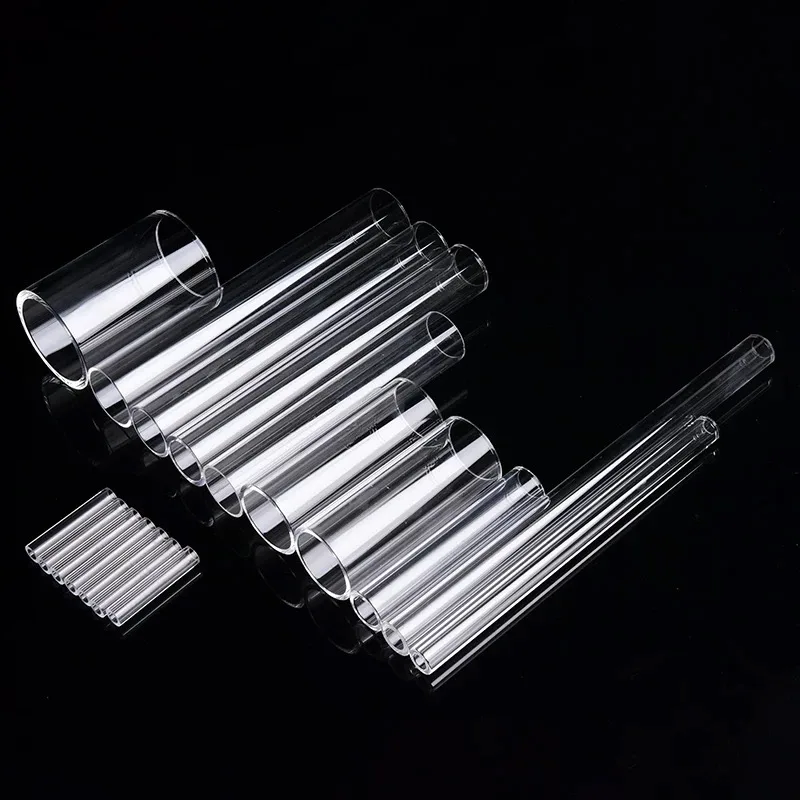
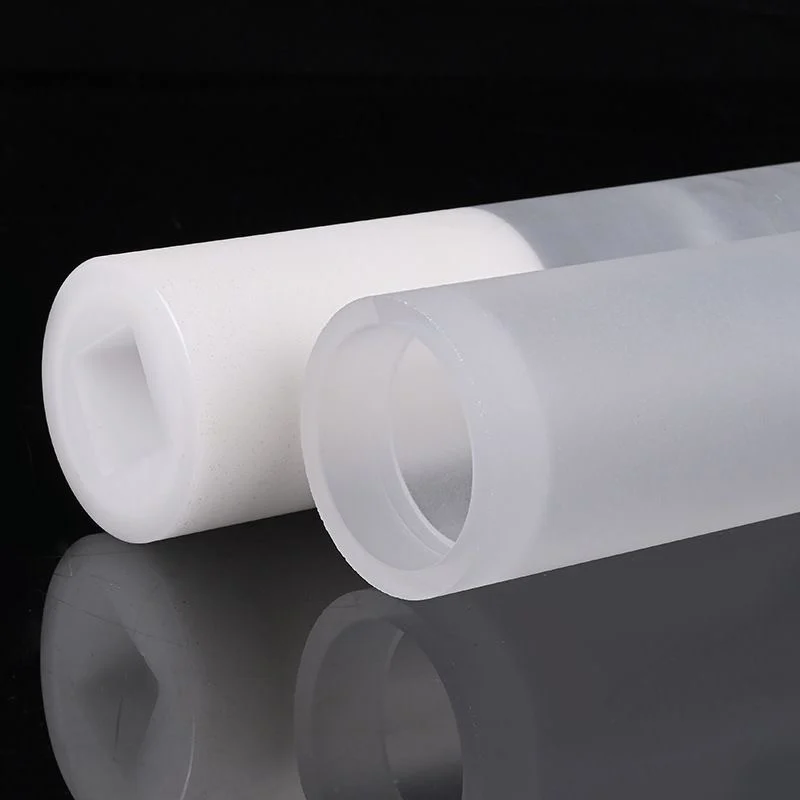
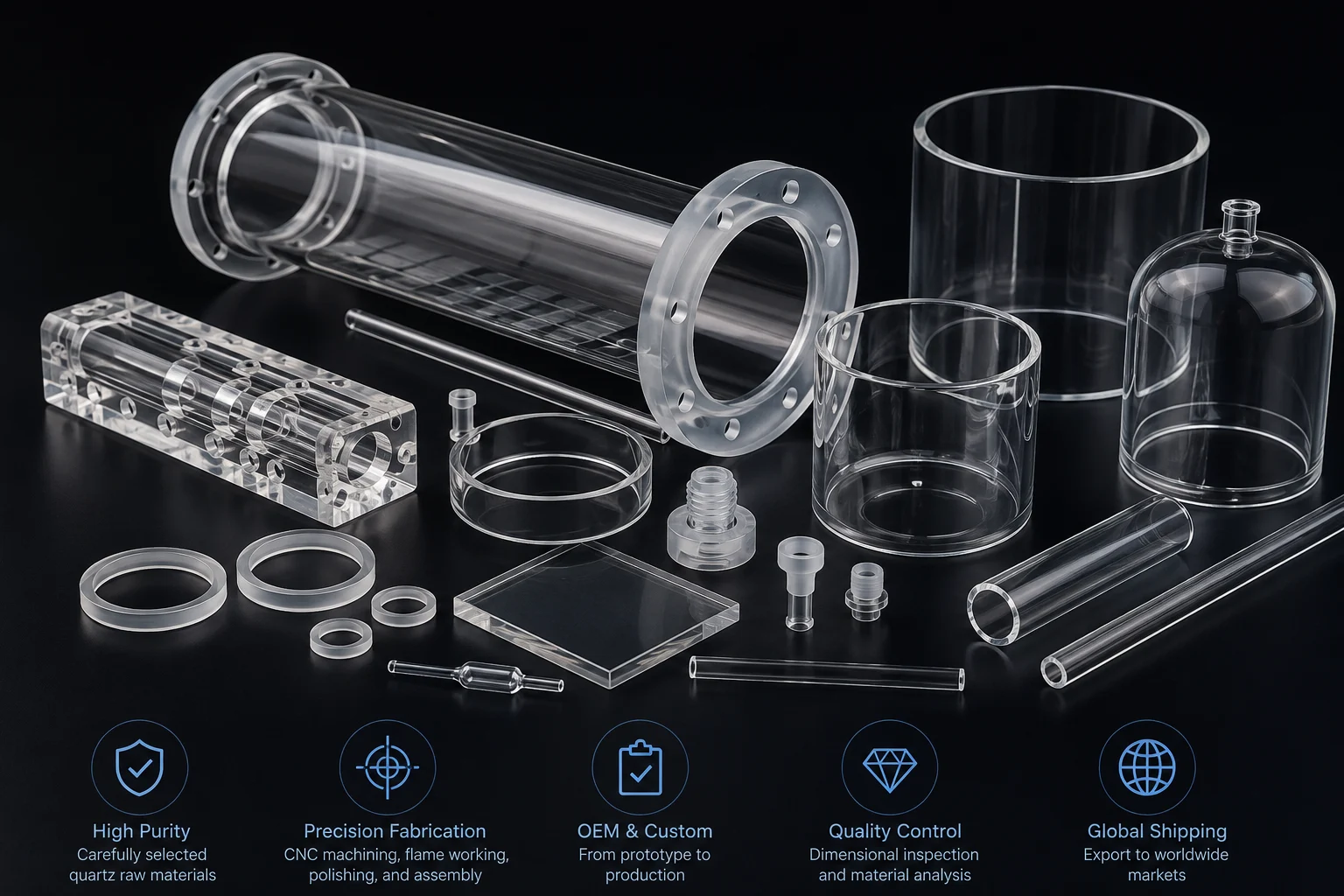
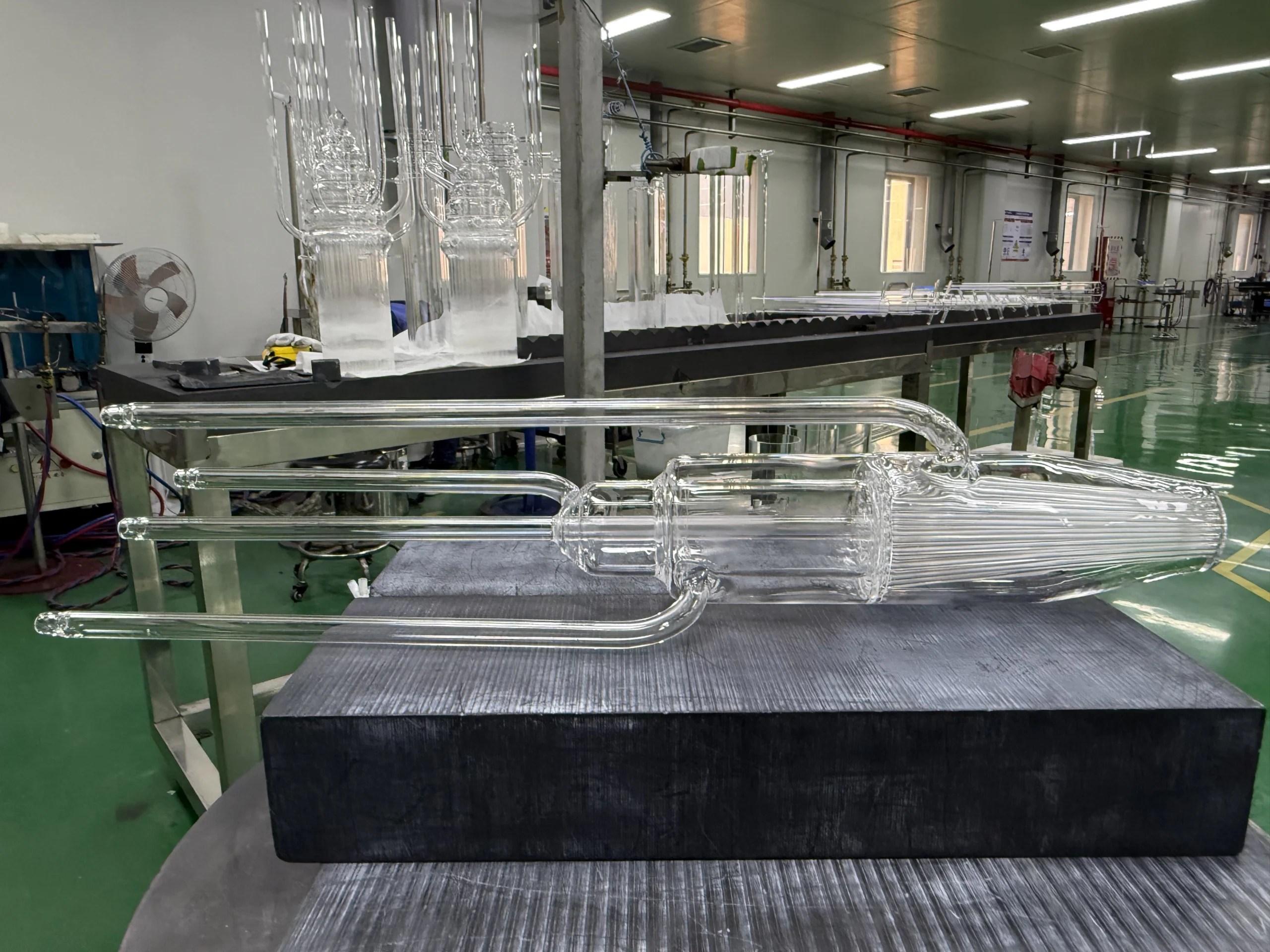
Inside almost every diffusion, oxidation and LPCVD furnace sits a single component the whole process depends on: the quartz diffusion tube. It is the clean chamber where wafers meet heat and gas, and its purity, straightness and thermal behaviour set the limits for what the furnace can achieve. This guide explains in depth what a quartz diffusion tube does, why high-purity fused silica is the only sensible material, how the tube behaves at temperature, the processes it serves, how to specify and judge one, and how to make it last.
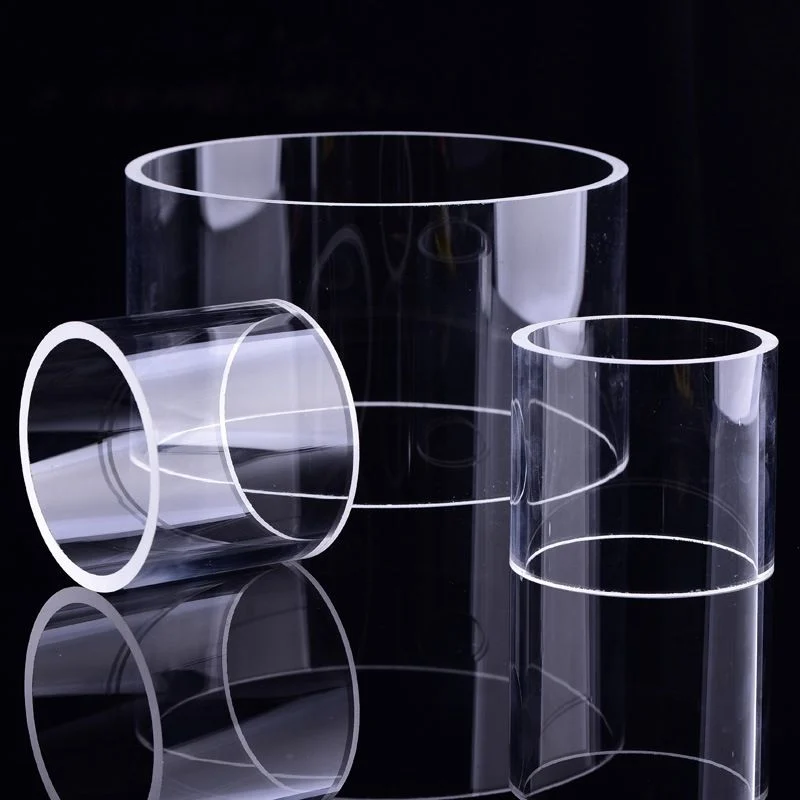
What a Quartz Diffusion Tube Does
A quartz diffusion tube is the heated chamber inside a horizontal or vertical furnace where silicon wafers are processed. Wafers sit on a boat, slide into the tube, and stay at high temperature while a controlled gas flows through. Depending on the recipe, that step drives dopants into the silicon, grows a thin oxide layer, or deposits a film.
The tube is the boundary between the wafer and everything outside it. So two things matter above all: it must not contaminate the wafer, and it must hold a stable, uniform temperature along its length. High-purity fused silica is what makes both possible, which is why quartz — not metal or ceramic — defines this part.
Why High-Purity Fused Silica Is the Only Choice
Low Metallic Contamination
Trace metals migrating from the tube wall into the wafer ruin device yield. Semiconductor-grade fused silica carries very low metal levels. So the diffusion tube stays a clean boundary rather than a contamination source. This single property is why ordinary glass and metal cannot do the job.
Dimensional Stability at Heat
A diffusion tube must hold a precise bore and stay straight at temperature, run after run. Quartz has a high softening point and very low thermal expansion. So it resists sagging and distortion across the working range, which protects loading clearance and the uniformity of the process.
Thermal-Cycle Endurance
Furnaces ramp up and down constantly. Quartz resists thermal shock because it barely expands as it heats, so it builds little internal stress when the temperature changes fast. That lets the tube cycle through those swings without cracking, giving the long service life a production line needs.
Chemical Inertness
Process gases and cleaning chemistries are aggressive. Fused silica is inert to nearly all of them except hydrofluoric acid, so the tube does not react with the process or shed by-products into it. The wafer sees only the intended chemistry, not contamination from its container.
The Processes a Diffusion Tube Serves
Dopant Diffusion
The classic role. The tube holds wafers at high temperature while dopant species — boron, phosphorus and others — diffuse into the silicon to set the electrical properties of the device. Temperature uniformity along the tube directly controls how even that doping is across the load.
Thermal Oxidation
Here the tube grows a precise silicon-dioxide layer on the wafer surface. Tube cleanliness directly affects oxide quality, so an oxidation tube must be made from a high-purity grade and kept free of contamination throughout its life.
LPCVD Deposition
Low-pressure chemical vapour deposition lays down thin films. The tube must hold vacuum integrity as well as purity and uniform heat, so wall quality and end sealing matter as much as the material grade.
Annealing
Annealing heat treatments relieve stress or activate dopants. They rely on the tube’s stable, uniform temperature profile to treat every wafer in the load the same way.
How a Diffusion Tube Behaves at Temperature
A quartz diffusion tube works in continuous service to roughly 1200 °C, with short excursions higher, and only softens near 1600 °C. That headroom keeps it rigid and straight where the process runs. Its very low thermal expansion means it barely changes size as it heats, so the bore and loading clearance stay predictable from cold to full temperature.
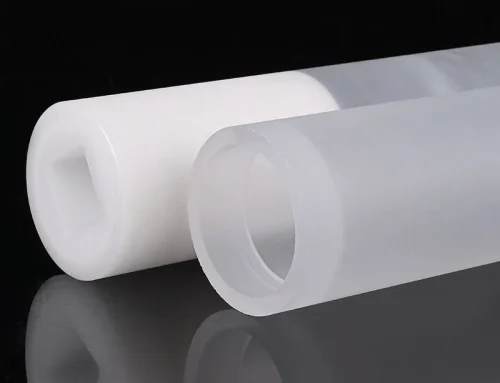
The main long-term limit is devitrification — a slow surface crystallisation that can appear after long exposure at very high temperature, turning the surface cloudy and more brittle. Clean handling and the right grade slow this down. Treating around 1200 °C as the comfortable continuous range, and keeping the surface clean, is how a tube reaches its full service life.
Horizontal and Vertical Furnace Tubes
Diffusion tubes come in formats matched to the furnace. Horizontal furnaces use a long tube loaded from the end, with wafers on a boat slid in along the axis. Vertical furnaces use an upright tube with wafers stacked on a vertical boat, a layout common in higher-throughput fabs.
Each layout places its own demands on straightness, end form and support. The key point is that a diffusion tube is rarely a generic part — it is built to a specific furnace, so its dimensions and end features have to match the equipment exactly.
How to Specify a Quartz Diffusion Tube
Because the tube is made to a furnace, the dimensions have to be right. The details that matter most are the outer diameter and wall thickness the furnace accepts, the overall length and any flange or closed-end form, the purity grade your process demands, and any special end finish for sealing or gas feed.
Sharing the furnace model and the process — diffusion, oxidation or LPCVD — lets the right grade and geometry be matched. A well-specified tube drops straight into the equipment, seals correctly, and holds its performance over a long production life rather than failing early or fitting poorly.
How to Judge Diffusion Tube Quality
A few signs separate a good diffusion tube from a poor one. Purity grade comes first — ask what silica grade is used and what metal levels it guarantees, since this is what protects the wafer. The wall should be clear and free of unwanted bubbles, inclusions or streaks that would weaken it or disturb uniformity.
Straightness and dimensional accuracy decide whether the tube fits and loads cleanly, and end finishing — flanges, sealed ends, ground faces — should be even and true so the tube seals and seats properly. Consistent quality across these points is what lets a tube perform the same way batch after batch.
Handling, Cleaning & Service Life
A diffusion tube rewards clean handling. Keep the surface free of grease and fingerprints, since contamination both reaches the wafer and encourages devitrification at high temperature. Handle with clean gloves, wipe with a lint-free cloth, and follow the recommended cleaning chemistry for your process.
Mechanically, support the tube along its length and avoid impacts and bending loads, which brittle materials dislike. Within its rated continuous temperature and with clean handling, a quality quartz diffusion tube delivers a long, repeatable service life. Inspect regularly for cloudiness, cracks or chips at the ends, which are the usual first signs that a tube is reaching the end of its useful life.
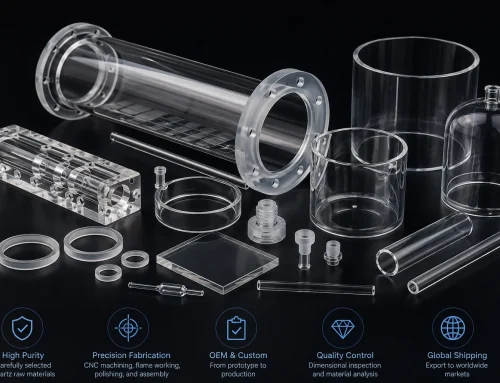
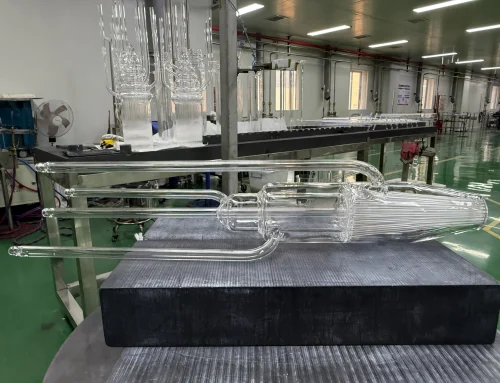
Diffusion Tubes Made to Your Furnace
FGQuartz manufactures high-purity quartz diffusion, oxidation and process tubes from semiconductor-grade fused silica at our works in Lianyungang, China, shipped worldwide. Send your furnace dimensions and process and we will match the right grade and form — from a single replacement tube to production quantities. Explore the full quartz glass tube range, the related semiconductor quartz application page, or request a quote with your furnace details.