Quartz Glass Blog
Explore professional guides, technical comparisons, and industry application articles about high-purity fused quartz glass. We cover JGS optical quartz grades, semiconductor & solar photovoltaic quartz components, laboratory quartz consumables, and custom fused silica manufacturing know-how to help engineers, buyers and manufacturers select the right quartz products.
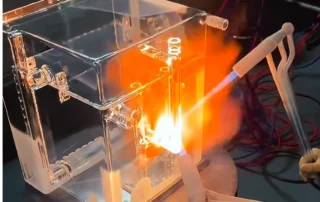
Quartz Tube Assemblies & Gas Components Guide | Manifolds, Injectors, Flanges
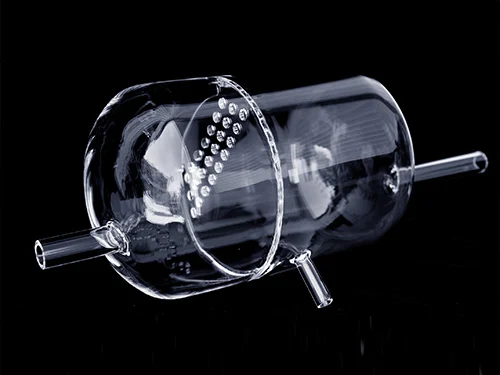
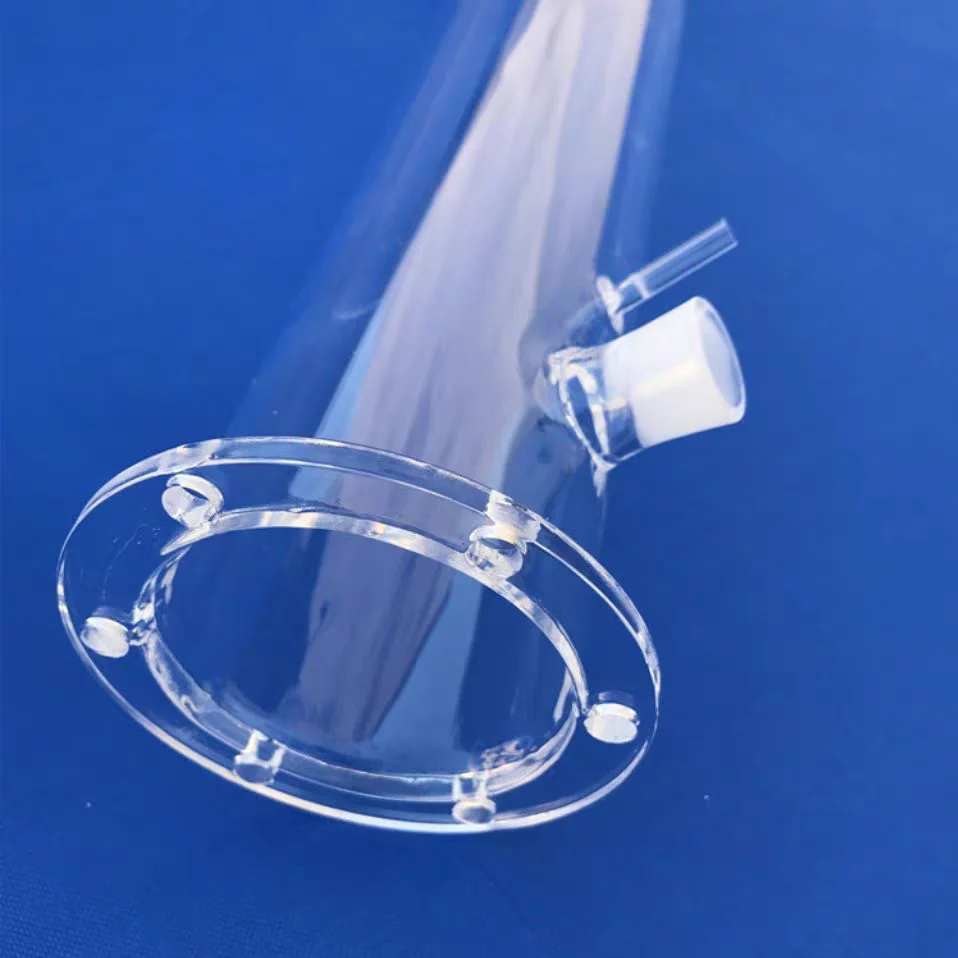
What Are Quartz Tube Assemblies and Gas Components? Quartz tube assemblies and gas components are high-purity fused silica parts that distribute, inject or connect process gases inside semiconductor furnaces, CVD/LPCVD tools, analytical instruments and laboratory apparatus. They are not the main process tube itself. The process tube is the reaction chamber; injectors, manifolds, side ports and flanged ends control where and how gas enters that chamber. FGQuartz fabricates [...]
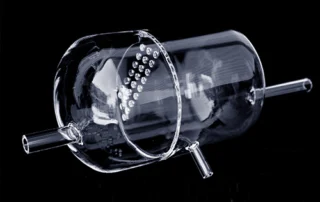
Laboratory Quartz Glassware Guide | Beakers, Flasks, Crucibles, Dishes & Tubes
What Is Laboratory Quartz Glassware? Laboratory quartz glassware is high-purity fused silica equipment made for analytical chemistry, sample preparation, high-temperature reactions and contamination-sensitive work. Unlike ordinary borosilicate lab glass, fused silica can be used continuously around 1200 °C, resists most mineral acids, and contributes very little metallic contamination to the sample. FGQuartz manufactures both standard laboratory forms and fully custom pieces: beakers, flasks, crucibles, evaporating dishes, test tubes, [...]
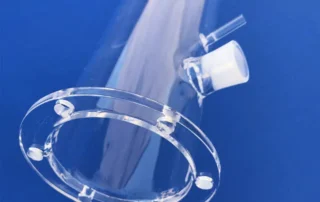
Quartz Custom Fabrication Process Guide | Flame Forming, CNC Machining & Fire Polishing
Why Custom Quartz Requires a Combination of Processes High-purity fused silica (quartz glass) is fundamentally different from ordinary glass or metal. It is extremely hard and brittle, softens only at approximately 1680 °C, and must maintain exceptional purity and surface integrity in demanding applications. Because of these material characteristics, no single fabrication method can simultaneously deliver complex geometry, tight dimensional tolerances, and high surface quality. Flame forming alone [...]
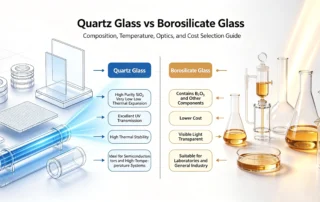
Quartz Glass vs Borosilicate Glass: Differences, Properties and Applications
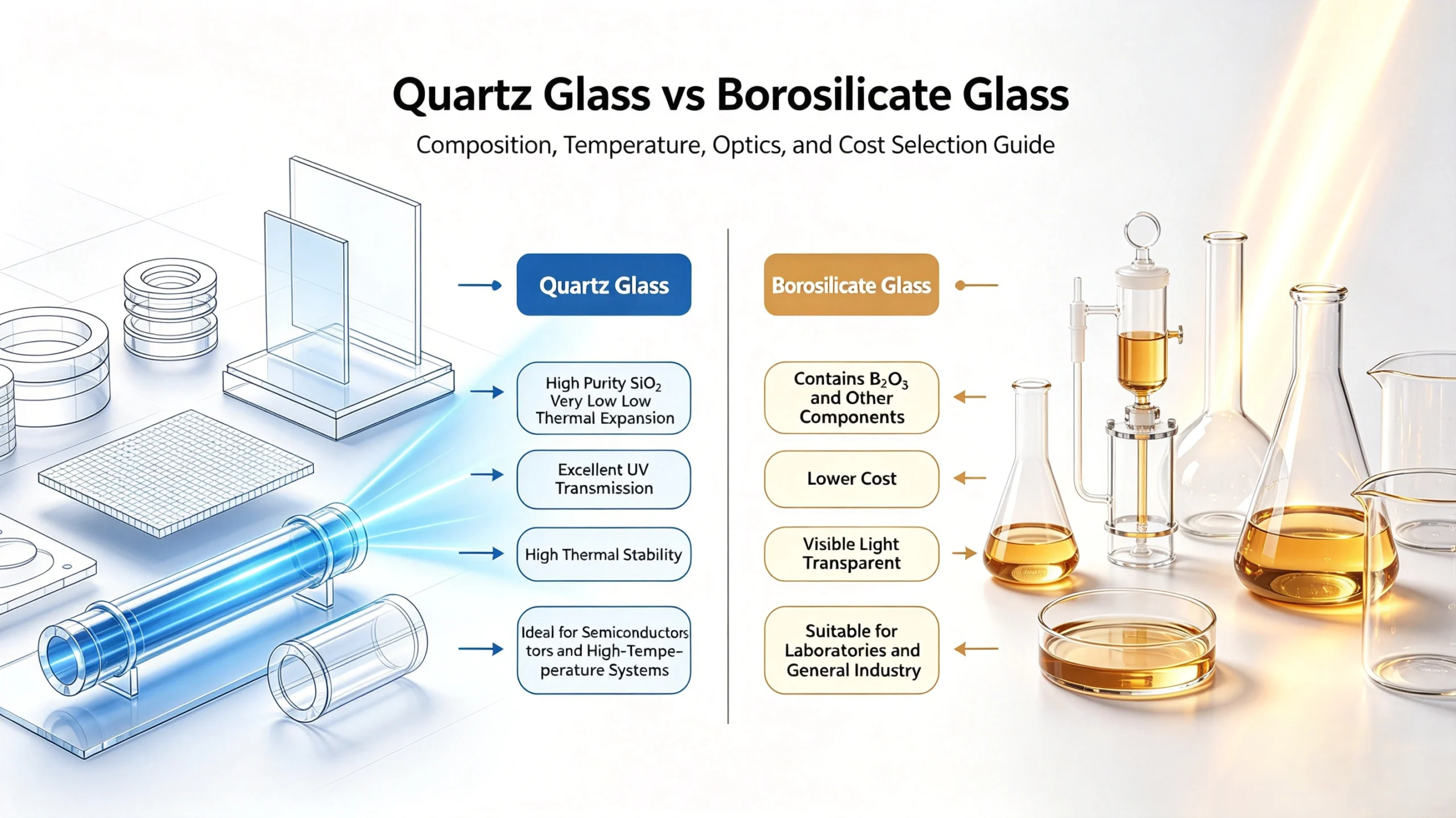
Quartz glass and borosilicate glass are two widely used glass materials in laboratories, industrial equipment, optical systems, and high-temperature applications. Although both materials offer excellent chemical resistance and thermal stability compared with ordinary glass, their properties are significantly different. The main difference is that quartz glass is made from high-purity silicon dioxide (SiO₂), while borosilicate glass contains significant amounts of boron oxide (B₂O₃) and other components. This difference [...]
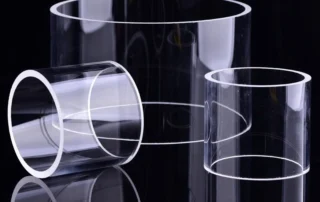
Large Diameter Quartz Tubes: Custom Sizes, Manufacturing, and Applications
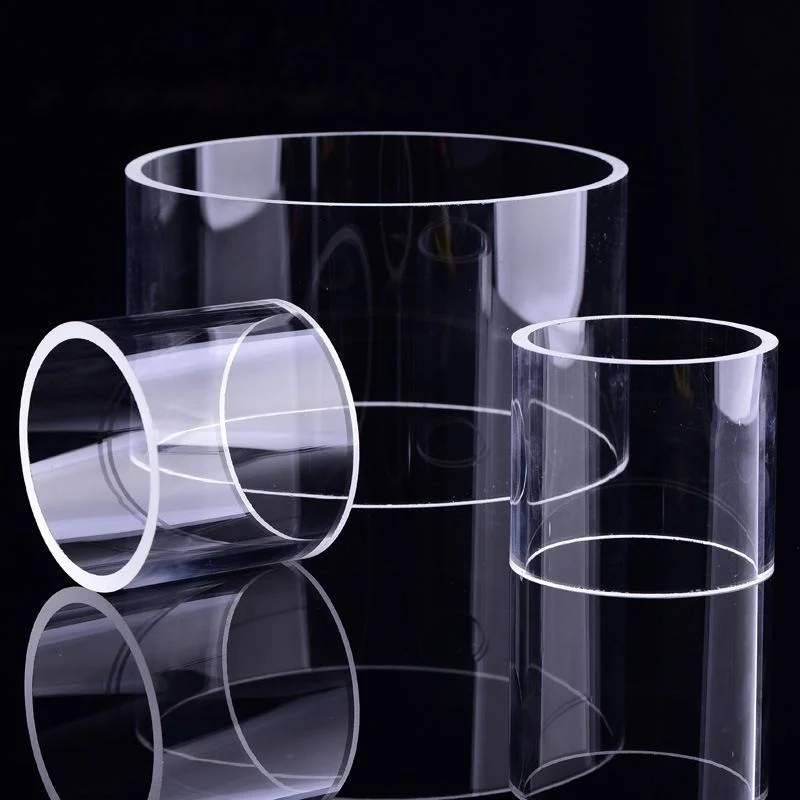
Large diameter quartz tubes are widely used in semiconductor furnaces, solar PV equipment, laboratory furnaces, and high-temperature industrial systems due to their excellent thermal stability, chemical resistance, and low contamination characteristics. FGQuartz manufactures custom fused quartz tubes with diameters from 5 mm to 1000 mm, supporting different wall thicknesses, lengths, surface finishes, and machining requirements according to customer drawings. Large quartz tubes are commonly used as furnace chambers, [...]
Quartz Parts for Diffusion Furnace: Tube, Boat, Paddle & the Complete System
Quick Answer A semiconductor diffusion furnace typically runs on four fused silica components: the process tube (sometimes with a nested liner), the boat that carries wafers, the paddle that pushes the boat in and out, and a set of supporting pieces — spacers, end caps, dummy wafers, gas distribution nozzles. All are high-purity fused silica, but they solve different problems. The tube owns the process envelope. The boat [...]
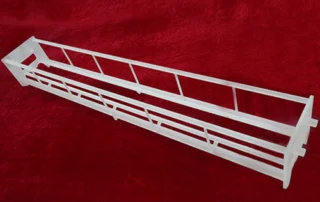
Quartz Wafer Carrier for Semiconductor & Solar Furnaces: Engineering Guide
Introduction: The Importance of High-Purity Quartz Wafer Carriers In the rigorous world of semiconductor and solar cell manufacturing, quartz wafer carriers (also known as quartz boats) are indispensable tools. These components are specifically designed to hold and protect silicon wafers as they undergo extreme thermal and chemical processes. Whether used in diffusion furnaces, LPCVD systems, or solar cell oxidation, a high-quality custom quartz wafer carrier ensures process stability, [...]
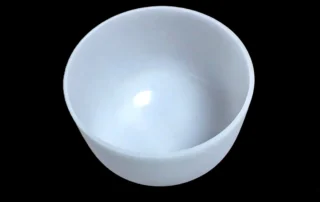
Quartz Crucible for Czochralski Silicon Crystal Growth: A Buyer’s Engineering Guide
Introduction A quartz crucible is the single most consumed precision component in monocrystalline silicon production, and also one of the least understood by procurement teams outside the crystal-growing process itself. It is not a permanent fixture like a furnace or a pulling mechanism — it is a high-purity, single-use vessel that dissolves, deforms, and is discarded after one growth run, then must be replaced again for the next. [...]
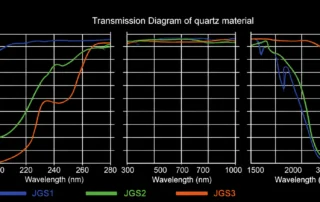
JGS1 vs JGS2 vs JGS3: The Complete Quartz Glass Grade Selection Guide
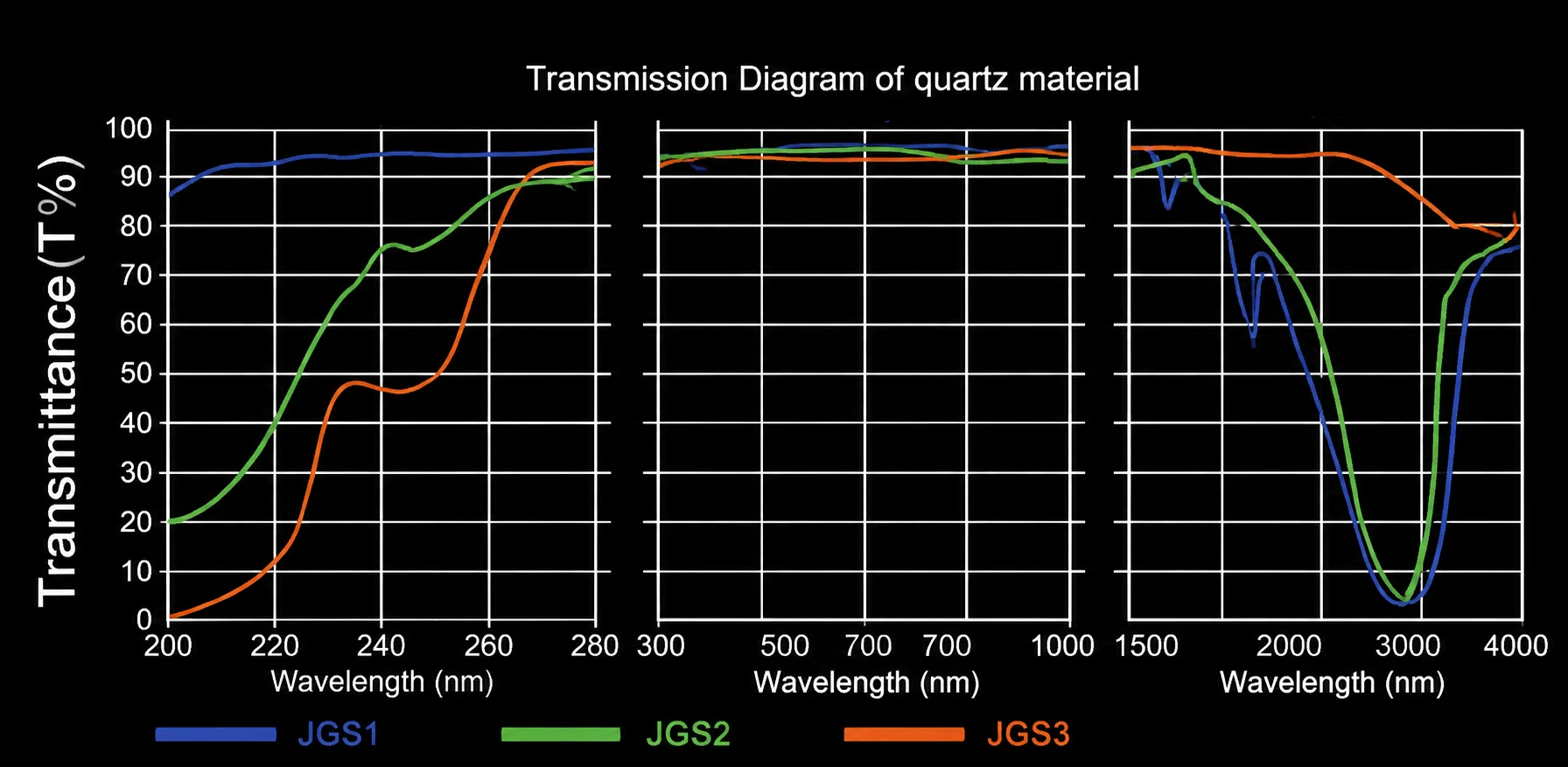
Quick answer: JGS1, JGS2, and JGS3 are the three standard grades of optical fused silica defined under China’s GB/T 18371 standard. The difference comes down to how each is made and how much hydroxyl (OH) and metallic impurity it carries — which in turn decides what wavelengths it transmits. Choose JGS1 for deep-UV work (down to ~185 nm), JGS2 for general UV–visible optics at a lower price, and [...]
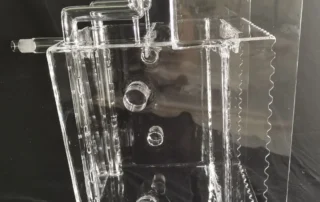
The Complete Guide to Wet-Process Quartz: Every Process Step and Every Quartz Component on the Wet Bench
High-Purity Wet Process Quartz: A Technical Guide for Semiconductor and Solar Fabrication In the precision-driven environment of modern wafer fabrication, the wet bench serves as the primary station for surface preparation, contamination removal, and chemical etching. Wet process quartz components—including chemical tanks, immersion heaters, and wafer carriers—are the critical interfaces between aggressive chemistries and sensitive silicon surfaces. As process nodes continue to shrink, the demand for high-purity materials [...]
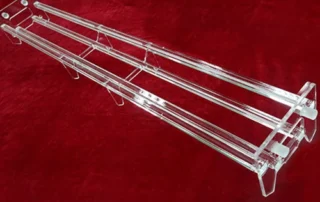
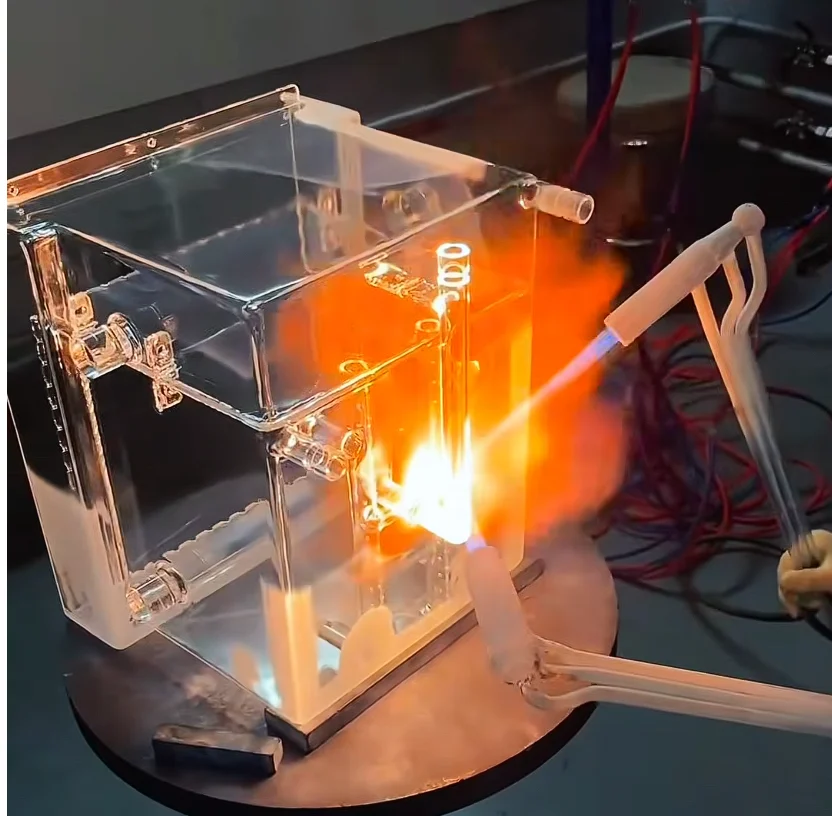
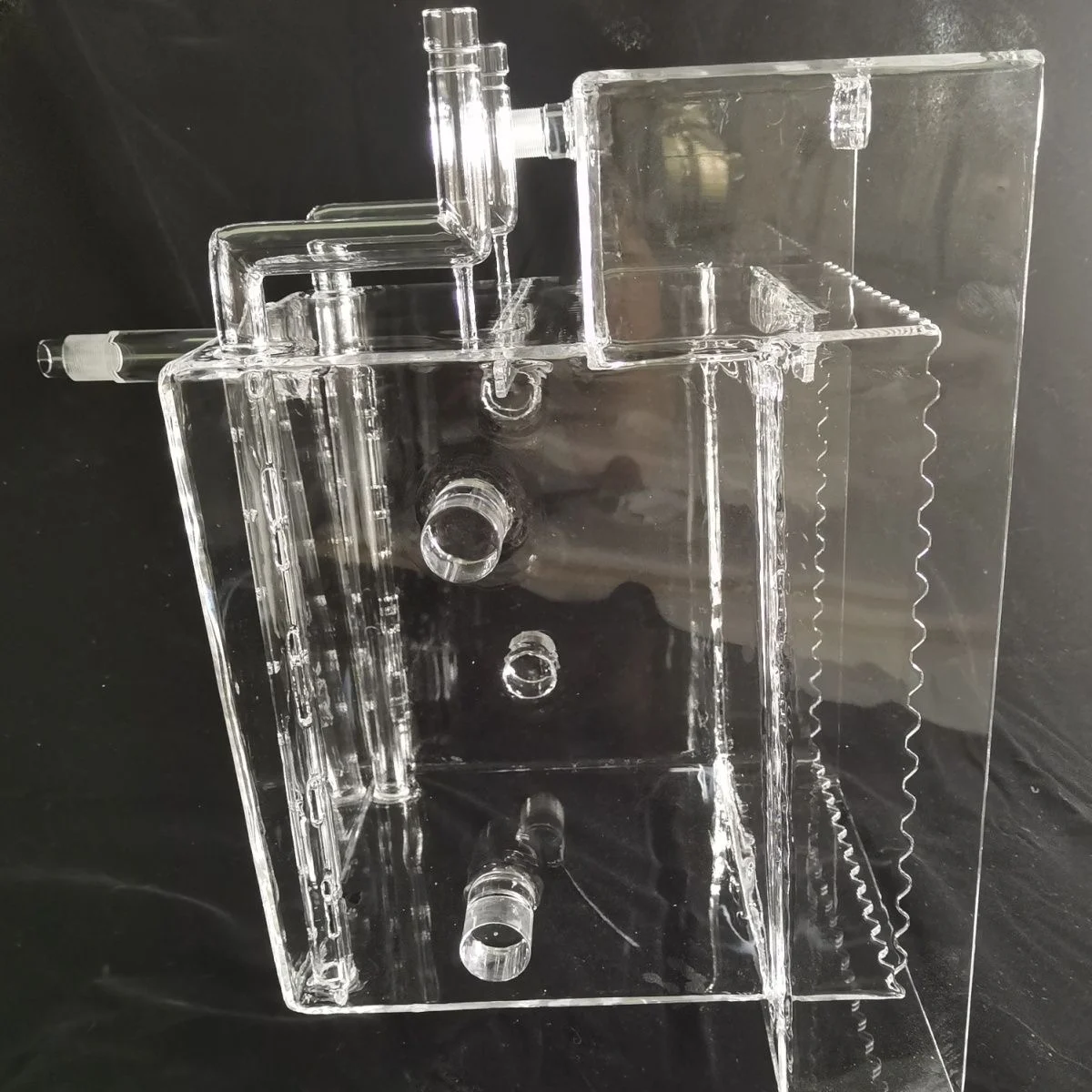
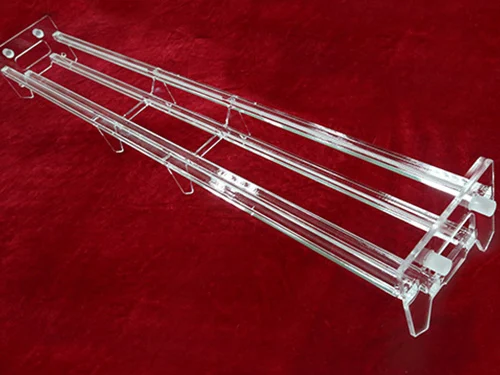
Semiconductor Quartz Products: A Complete Guide to Boats, Tubes & Thermal Process Integratio
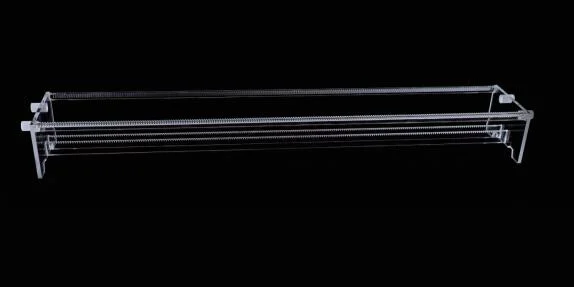
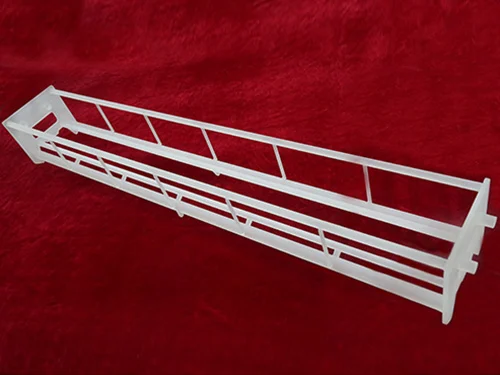
Most people in the industry treat the semiconductor quartz boat as a standard consumable — interchangeable, low-tech, and easy to procure. They are wrong. This guide explains exactly how every quartz product works inside a semiconductor fab, why the design details of a quartz boat matter far more than most engineers realize, and what happens to yield when any part of the thermal process system is mismatched. There [...]