Introduction to Quartz ICP Torches
Inductively Coupled Plasma (ICP) torches are integral components in various applications within analytical chemistry, specifically in the realms of spectroscopy and mass spectrometry. Understanding the fundamentals of these torches, particularly those constructed with quartz, is essential for grasping their significance in conducting precise and reliable analyses.
Quartz, a widely used material for ICP torches, offers several key advantages when subjected to high-temperature conditions. Firstly, quartz exhibits excellent thermal stability, enabling it to withstand the extreme temperatures generated during the plasma formation process. This durability ensures that the torch maintains its structural integrity, leading to consistent performance over time.
The construction of an ICP torch includes a quartz tube through which the plasma is generated. When an alternating current passes through the inductive coil surrounding the quartz, it creates a magnetic field that ionizes the gas flowing through the tube, typically argon. The result is a sustained plasma that can reach temperatures of up to 10,000 degrees Celsius. Such high temperatures facilitate the excitation of atoms in the sample, resulting in the emission of characteristic spectral lines necessary for elemental analysis.
Another notable property of quartz is its low thermal expansion coefficient, which minimizes the risk of thermal shock during rapid temperature changes. As a result, quartz ICP torches are more resilient and less prone to damage compared to those made from other materials. Additionally, the optical transparency of quartz allows for the passage of light, which is crucial for optical emission spectrometry applications. Thus, the choice of quartz in designs of ICP torches is not merely a matter of tradition but is founded on its superior performance characteristics.
In summary, quartz ICP torches represent a pinnacle of engineering in analytical chemistry, combining high-temperature resilience with optical clarity, which is vital for accurate measurements. Their significant role in enabling innovative scientific analysis cannot be overstated, making them indispensable for researchers and laboratories alike.
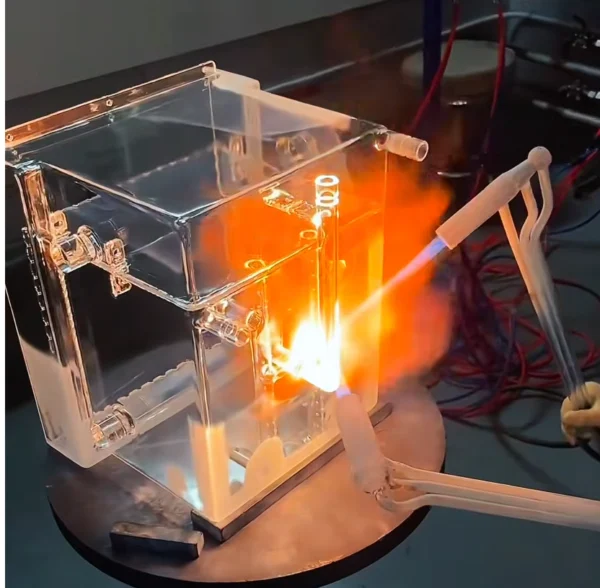
Understanding Torch Tube Design
The torch tube is a critical component in the operation of quartz ICP (Inductively Coupled Plasma) torches, playing a pivotal role in the overall performance of the torch assembly. Its design is engineered to optimize plasma formation and stability, which are essential for effective sample analysis in various spectroscopic applications. The dimensions and shape of the torch tube directly influence the ionization efficiency and the uniformity of the plasma, making it a focal point in the study of torch assemblies.
One of the primary design features of a torch tube is its diameter. Typically, a standard torch tube has a diameter that ranges from 2 to 3 centimeters. This size is strategically chosen to allow for an adequate flow of the carrier gas while minimizing turbulence, which can adversely affect the plasma stability. The internal surface of the torch tube is often treated or coated to reduce contamination and enhance the ionization process. This feature ensures that the sample remains unadulterated as it passes through the torch.
The shape of the torch tube is another essential aspect of its design. Most torch tubes are constructed in a conical shape, which helps to focus the energy of the inductively coupled plasma at the point where the sample is introduced. This design promotes efficient thermal conduction and results in better excitation of the sample. Furthermore, the length of the torch tube plays a crucial role; longer tubes tend to yield high sensitivity but can require careful balancing with flow rates and power settings.
In addition to these practical features, the choice of material is vital. Quartz is favored due to its high purity and resistance to thermal shock, which are imperative for maintaining the structural integrity of the torch tube during operation. Overall, the intricate design of the torch tube is fundamental to achieving a stable and efficient plasma environment, directly impacting the quality and reliability of analytical results. High-purity quartz tubes are commonly used in these assemblies.
Materials and Manufacturing of Torch Assemblies
The construction of torch assemblies is pivotal to the performance of Inductively Coupled Plasma (ICP) systems. Among the various materials employed, quartz stands out due to its unique properties. Quartz’s high purity and excellent thermal stability make it an ideal choice. It is resistant to chemical corrosion which is essential for maintaining the integrity of the assemblies during operation. Moreover, quartz’s low thermal expansion minimizes the risk of thermal shock, ensuring longevity and reliable function in high-temperature environments.
In addition to quartz, multiple high-grade materials are used in the fabrication of torch tube assemblies. Such materials include specialized ceramics and certain metals that withstand the rigors of repeated heating and cooling cycles. These materials are chosen not only for their physical properties but also for their compatibility with the plasma generated within the torch. This careful selection ensures that the assemblies provide consistent performance without compromising safety or efficiency.
The manufacturing techniques employed are equally critical in determining the quality of torch assemblies. Modern production methods involve precision machining and fabrication processes that emphasize accuracy. For instance, the use of controlled environment conditions during the assembly process minimizes contamination, which is vital for maintaining the performance of quartz-based components. Techniques such as high-temperature sintering and precision forming help achieve the necessary tolerances, thereby ensuring a snug fit between the torch and its components.
Moreover, rigorous quality control measures are implemented throughout the manufacturing process. Each batch of quartz and other materials undergoes thorough inspection to meet industry standards. This not only includes evaluating the physical properties of the materials but also their performance in actual ICP applications. Ultimately, the combination of high-quality materials and advanced manufacturing techniques culminates in torch assemblies that offer both durability and precision, meeting the demands of modern analytical instrumentation. For specialized designs, custom products can be manufactured to exact specifications.
Applications and Importance in Analytical Techniques
Quartz ICP torches and torch tube assemblies play a critical role in various analytical techniques, particularly in elemental analysis. These components are integral to the operation of Inductively Coupled Plasma (ICP) spectrometry, a method extensively utilized in fields such as environmental testing, metallurgy, geology, and materials science.
In environmental testing, quartz ICP torch assemblies are essential for the analysis of trace metals in water, soil, and air samples. The precise elemental detection capabilities of ICP spectrometers allow for the identification of contaminants at low concentration levels, ensuring compliance with environmental regulations and safeguarding public health. Due to their high sensitivity and accuracy, quartz assemblies facilitate the effective monitoring of pollutants, thus supporting efforts in environmental protection.
In metallurgy, the significance of quartz ICP torch assemblies cannot be understated. They are used for the analysis of metal alloys and ores to determine their elemental composition. This information is vital for quality control, enabling manufacturers to ensure that their products meet industry standards and specifications. The customizable nature of quartz components allows for specific adaptations to suit different types of samples, which enhances their versatility in metallurgical applications.
Furthermore, these assemblies are utilized in geology, where they assist in the analysis of geological samples to identify minerals’ elemental makeup. This information plays a crucial role in resource exploration, helping geologists assess the viability of mining operations and contribute to sustainable resource management. Other industries, including pharmaceuticals and food safety, rely on quartz ICP technology to deliver accurate elemental data, further underlining their importance across various fields.
Overall, the applications of quartz ICP torch and torch tube assemblies highlight their indispensable role in facilitating accurate analytical techniques. Their effectiveness in providing reliable and precise elemental analysis underpins various industries, proving essential for research, regulatory requirements, and technological advancement in modern laboratories.