Introduction to Flanged Quartz Tubes
Flanged quartz tubes are specialized piping systems widely utilized across various industries for their exceptional properties. These tubes, characterized by their flanged ends, facilitate secure connections for seamless integration in multiple applications, including chemical processing, semiconductor manufacturing, and laboratory environments. The design is crucial in ensuring a reliable, leak-proof connection, allowing for optimal efficiency and safety in operations.
One of the defining characteristics of flanged quartz tubes is the material from which they are constructed. Quartz is favored for its superior thermal stability, chemical resistance, and transparency to a wide range of wavelengths, making it ideal for industries that require stringent material specifications. The ability to withstand high temperatures without deforming is particularly beneficial in environments where extreme conditions are prevalent, enabling the tubes to perform reliably where other materials might fail.
Furthermore, the use of flanged quartz tubes plays a significant role in the scientific research community. Their application in laboratory settings often involves high-purity processes where contamination must be meticulously controlled. The non-reactive nature of quartz materials minimizes the risk of chemical interactions that could compromise experimental results. Additionally, the clarity of quartz allows for visual monitoring of processes, which is an essential aspect in many experimental setups.
In various industrial settings, the integration of flanged quartz tubes has proven to enhance operational efficiency and safety. Industries such as petrochemicals, pharmaceuticals, and electronics rely on these tubes not only for their physical durability but also for their ability to meet rigorous industry standards. As technology advances, the demand for high-performance materials like quartz continues to rise, solidifying the significance of flanged quartz tubes in contemporary applications.
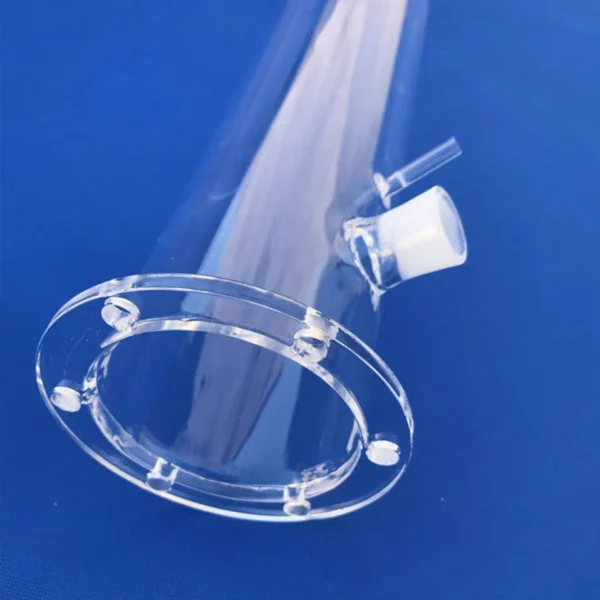
High-purity flanged quartz tubes designed for secure connections in laboratory, semiconductor and high-temperature applications
Key Specifications for Flanged Joints
Flanged quartz tube joints play a critical role in various applications, particularly in the semiconductor and chemical processing industries. Selecting the appropriate specifications for these joints is essential to ensure optimal performance and longevity under specific operational conditions. Among the key specifications, dimensions, pressure ratings, and thermal resistance are paramount.
The dimensions of flanged joints are fundamental as they dictate compatibility with other system components. Standard sizes are typically available, but custom dimensions can be fabricated to meet particular requirements. When assessing dimensions, it is crucial to ensure that the flange bolt holes align accurately with other equipment to prevent mechanical failures.
Temperature and pressure ratings of flanged quartz tube joints are equally vital. Each type of joint is rated for varying levels of pressure and must be chosen according to the anticipated operating conditions. High-pressure systems require flanged joints that can withstand significant forces without compromising structural integrity. Understanding the working environment helps in selecting joints that can endure extreme temperatures without degradation, which is common in processes involving quartz tubes.
Thermal resistance is another crucial specification that impacts performance. Flanged joints must maintain their integrity in high-temperature settings, as quartz has excellent thermal stability. However, it is essential to consider the entire joint assembly, including gaskets and fasteners, as these components may have different thermal properties that can affect overall performance. The selection of materials that are resistant to thermal expansion and contraction is necessary to minimize stress and potential failure.
In conclusion, ensuring that flanged quartz tube joints meet the necessary specifications is vital for their successful application. By carefully evaluating dimensions, pressure ratings, and thermal resistance, one can select the most suitable flanged joints for their specific operational needs, enhancing both safety and efficiency in various environments.
Considerations for Selecting Flanged Quartz Tube Joints
When selecting flanged quartz tube joints, it is essential to consider several critical factors that ensure compatibility and functionality. One of the first aspects to look at is the compatibility of the flanged joint with various gasket materials. Different applications may require gaskets made from specific materials that can withstand higher temperatures or are resistant to particular chemicals. Ensuring that the gasket aligns well with the flanged quartz tube joint is crucial for creating a reliable seal and preventing any leaks.
Next, the geometry of the joint plays a significant role in the performance of the flanged quartz tube. The design and dimensions of the flanges can impact the overall strength and stability of the joint. Proper attention should be paid to the flange diameter, bolt hole placement, and the thickness of the joint itself. These design elements should meet the specific requirements dictated by the application to maintain integrity under various operational conditions.
Another vital consideration is the quality indicators of the manufacturing process of the flanged quartz tube joints. High-quality manufacturing processes often involve precise machining and strict quality control measures. When evaluating suppliers, it is wise to request information about their manufacturing standards and any certifications that may indicate adherence to the industry best practices.
Additionally, assessing the reliability of suppliers is crucial when selecting flanged quartz tube joints. Reliable suppliers should provide detailed documentation on their products, including specifications, material certifications, and test results. Moreover, considering the supplier’s reputation in the industry can also provide insight into their reliability and the quality of their joints.
Overall, selecting the appropriate flanged quartz tube joints involves careful consideration of gasket compatibility, joint geometry, manufacturing quality, and supplier reliability. These factors collectively contribute to the effective performance of flanged joints in various industrial applications. For specialized requirements, custom products are available.
Installation and Maintenance Tips for Flanged Joints
Installing flanged quartz tube joints requires careful preparation and technique to ensure optimal performance and longevity. The first step in the installation process is to thoroughly clean both flanges and ensure no debris or contaminants are present. This cleanliness is crucial as it prevents future leaks and maintains the integrity of the joint.
Next, proper alignment is essential. Ensure the flanges are aligned correctly to avoid undue stress on the joints. Misalignment can lead to excessive wear or failure over time. During the installation, use proper gaskets that are compatible with quartz to provide a secure seal. These gaskets help to mitigate the risk of leaks and enhance the overall performance of the flanged joints.
Securing the joints involves tightening bolts to the recommended torque specifications, ensuring a uniform distribution of pressure. It is important to follow any specific guidelines provided by the manufacturer during this process to prevent over-tightening, which could damage the flanges.
Maintenance of flanged quartz tube joints is equally important for their longevity. Regular inspections should be conducted to check for signs of wear, cracks, or any abnormal gaps between the joints. It is essential to remain vigilant about listening for any unusual sounds during operation, as these can indicate potential issues.
Additionally, consider periodic re-sealing of the joints to maintain optimal performance. If you observe any leaks or a drop in performance, it may be time to replace the joints or components. Proper maintenance can significantly extend the life of flanged joints and ensure that they continue to function effectively in various applications. High-quality quartz tubes with precision flanges provide long-term reliability when properly installed and maintained.