Applications
Quartz Glass Applications by Industry
FGQuartz manufactures high-purity fused silica (SiO₂ ≥ 99.99%) components for six industries where purity, thermal stability and dimensional control affect process yield: semiconductor, solar photovoltaic, optics and photonics, laboratory and scientific, fiber optic, and high-temperature industrial processing. The same product families (tubes, rods, plates, wafer boats, crucibles, tanks and inline heaters) recur across industries, configured differently for each process. When a platform, wafer format or experiment falls outside catalogue ranges, custom fabrication builds to your drawing.
Which Industries Use Quartz Glass Components from FGQuartz?
Each industry combines temperature, chemistry, tolerance and contamination limits differently. Open yours for the full process-by-process detail.
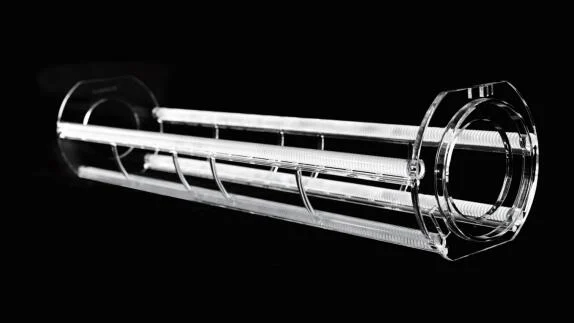
Furnace tubes, wafer boats, injectors, wet-bench tanks and inline heaters for diffusion, oxidation, LPCVD and wet cleaning. Key need: ultra-low metallic contamination and thermal cycling stability.
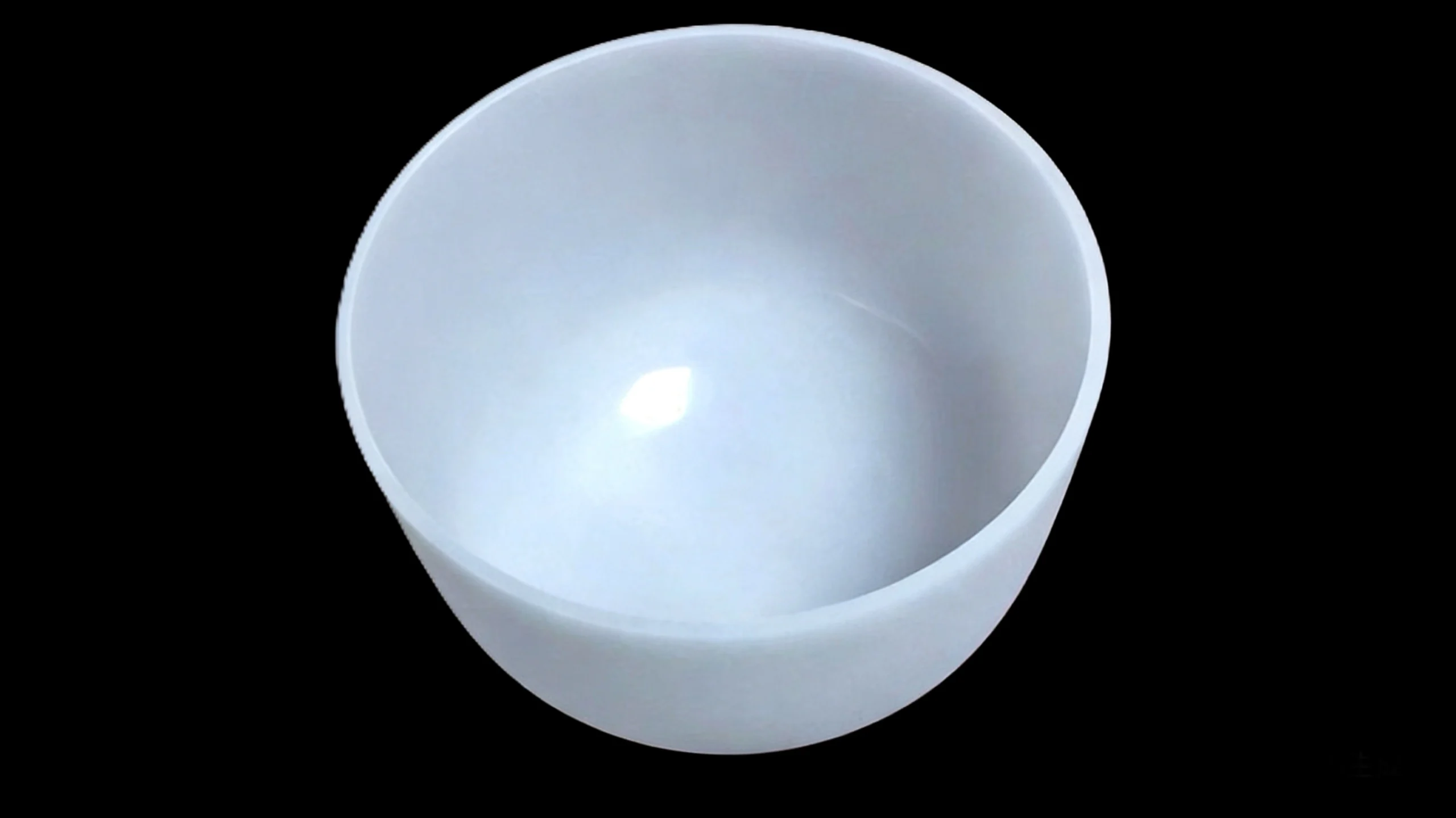
Crystal-growth crucibles, diffusion tubes and cell boats for M10, G12 and other formats. Key need: high-temperature strength at production-line cost and volume.
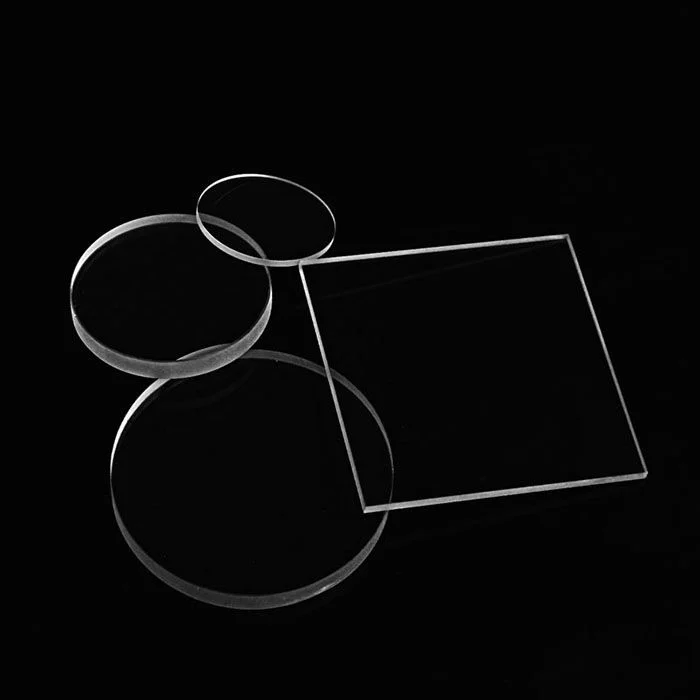
Windows, plates, cuvettes and flow cells in JGS1, JGS2 or JGS3. Key need: UV-to-IR transmission and surface quality, with the grade matched to the wavelength.
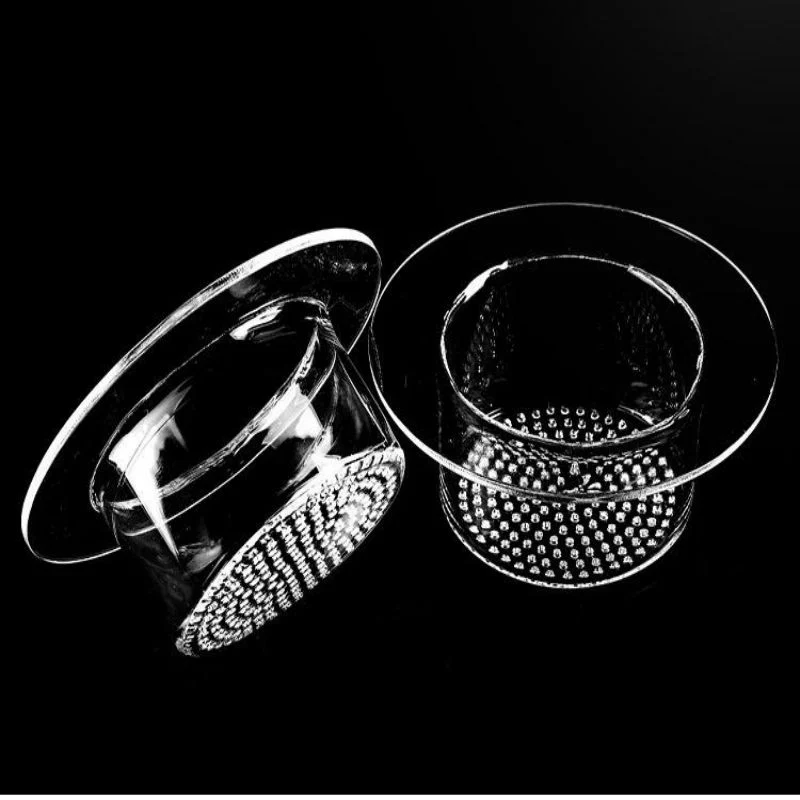
Crucibles, combustion boats, reaction vessels and custom apparatus for ashing, digestion and synthesis. Key need: chemical inertness and a low analytical blank.
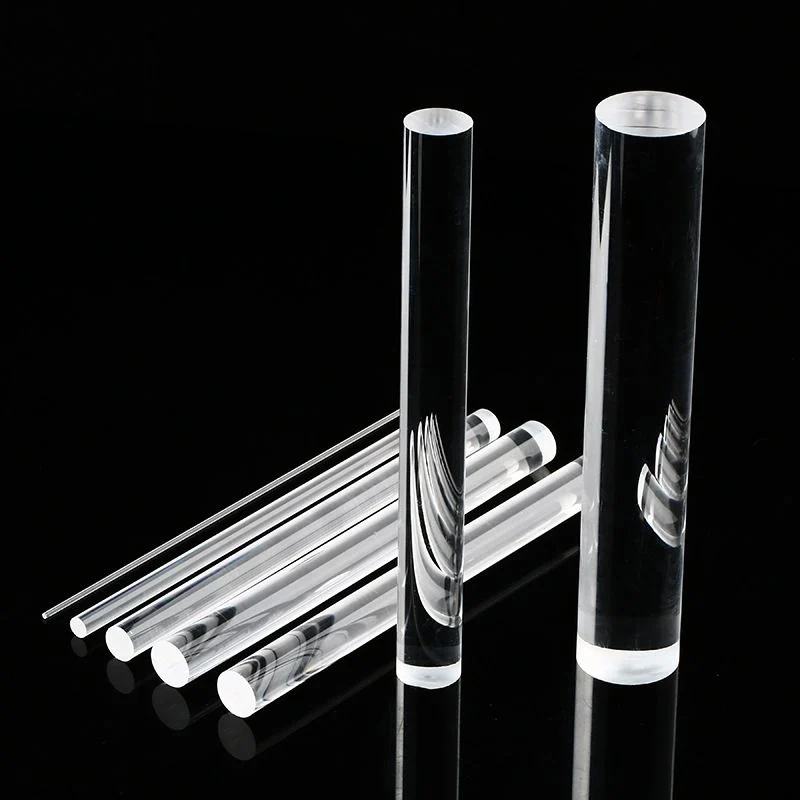
Substrate and overcladding tubes and starting rods for MCVD, VAD and OVD preform makers. Key need: concentricity and wall uniformity.
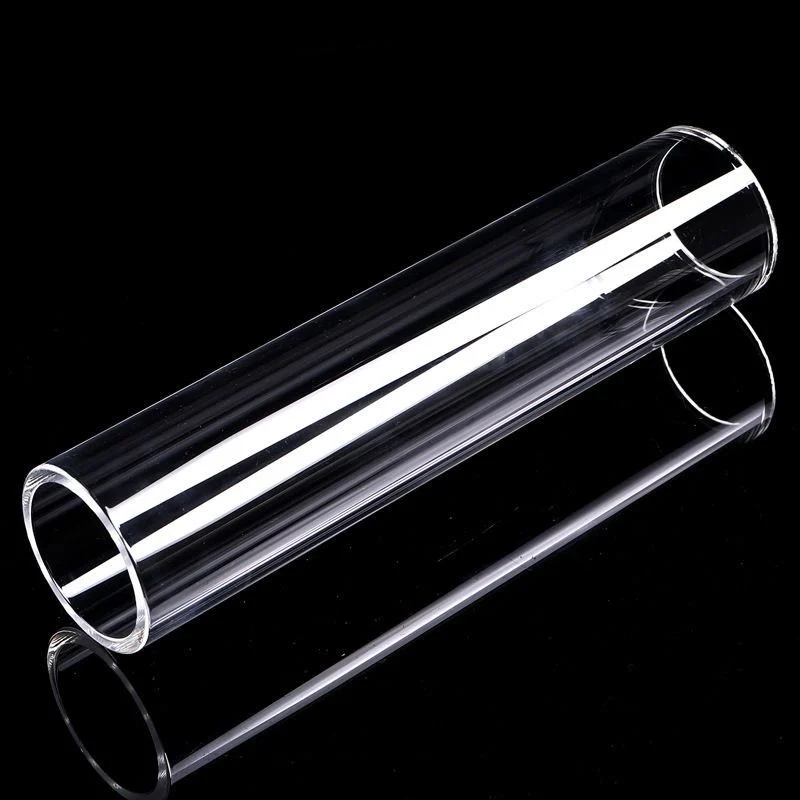
Furnace liners, heater envelopes, thermocouple sheaths and observation windows. Key need: structural integrity and thermal shock resistance in continuous service.
Quartz Glass Components by Industry and Process
Typical components
| Industry | Primary components | Critical requirement |
|---|---|---|
| Semiconductor | Process tubes, wafer boats, tanks, inline heaters, gas injectors | Ultra-low metallic contamination, thermal cycling stability |
| Solar photovoltaic | Crucibles, process tubes, wafer boats | High-temperature strength at production-line cost and volume |
| Optics and photonics | Plates and windows, cuvettes, flow cells, rods | UV-to-IR transmission, surface quality, grade matched to wavelength |
| Laboratory and scientific | Crucibles, combustion boats, reaction vessels | Chemical inertness, minimal analytical blank |
| Fiber optic | Substrate and overcladding tubes, starting rods | Concentricity and wall uniformity for refractive index control |
| High-temperature industrial | Furnace tubes, heater envelopes, thermocouple sheaths | Structural integrity and thermal shock resistance in continuous service |
Components are usually specified together
Parts from one supplier and one material system keep thermal expansion and tolerances compatible across the stack.
| Process | Components used together |
|---|---|
| Semiconductor diffusion furnace | Process tubes + wafer boats + supporting rods and end plates + thermocouple protection tube |
| Solar diffusion line | Large-format process tubes + cell wafer boats + push paddles and fixtures |
| Wet-bench cleaning station | Tanks + inline heaters + circulation tubing + cassette supports |
| Laboratory high-temperature preparation | Crucibles or combustion boats + reaction tube |
| Optical fiber MCVD station | Substrate process tubes + support and handling fixtures |
When Is Quartz Glass Not the Right Choice?
Quartz is chosen for purity, thermal stability and chemical inertness. It is not suited to every environment. Full data: technical specifications.
| If your process involves… | Quartz suitability | Consider |
|---|---|---|
| HF (hydrofluoric acid) | Not suitable. HF attacks fused silica. | An HF-compatible material, such as a fluoropolymer |
| Hot concentrated phosphoric acid | Not suitable. | A material compatible with the bath |
| Hot strong alkalis (hot KOH or NaOH) | Not suitable. Quartz is attacked, so hot alkaline texturing baths do not use quartz. | A material compatible with the bath |
| Continuous service above about 1200°C (2192°F) | Beyond the continuous working limit of fused silica. | A higher-temperature ceramic |
| High mechanical impact | Quartz is hard but brittle. | Support and protected edges in the design, or a tougher material |
Custom Quartz Components for Specialized Applications
When equipment, wafer size, optical path or experimental geometry falls outside standard ranges, FGQuartz combines flame forming with CNC diamond machining, and applies stress-relief annealing where machining or welding stress must be controlled.
Send DXF, STEP, IGES or PDF drawings, or a physical sample for reverse engineering. We review manufacturability, recommend the process route and quote prototypes or production runs.
Common custom requirements
- Non-standard OD, ID, wall thickness or length
- Side ports, sealed ends, multi-port manifolds, flanged connections
- CNC drilling, slotting, grooving, milling and threading
- Tube bending, diameter reduction or expansion, flame sealing
- CNC-machined plates, blocks, fixtures and optical elements
- Quantities from a single piece through production
How to Choose and Order Quartz Glass Components
- Define the process: temperature range, chemicals, optical requirements and mechanical loads.
- Identify the function: containment, wafer support, gas delivery, optical access, insulation or chemical resistance.
- Pick the geometry, using the tables above to confirm typical components for your industry.
- Specify critical dimensions: OD, ID, wall, length, slot pitch, hole positions, flatness, finish.
- Select the grade: clear or opaque, and an optical grade (JGS1, JGS2, JGS3) when transmission matters.
- Standard or custom? If catalogue sizes do not match, prepare a drawing or sample.
Application context, not only dimensions, lets us give better material and process advice.
What to send for a quote
- A drawing (DXF, STEP, IGES, PDF) or a dimensioned sketch
- Application or process description
- Operating temperature range and chemical environment
- Required surface finish or optical grade
- Quantity (prototype and production) and critical tolerances
No complete drawing? A photo of an existing part with key dimensions and its intended use is often enough for an initial feasibility check.
Frequently Asked Questions About Quartz Glass Applications
Which industries use quartz glass components from FGQuartz?
Six industries: semiconductor, solar photovoltaic, optics and photonics, laboratory and scientific, fiber optic, and high-temperature industrial processing. The same product families (tubes, rods, plates, wafer boats, crucibles, tanks, and inline heaters) recur across industries, configured differently for each process.
Which quartz components are used together in a semiconductor diffusion furnace?
Typically process tubes, wafer boats, supporting rods and end plates, and a thermocouple protection tube. Parts from one supplier and one material system keep thermal expansion and tolerances compatible across the stack.
What quartz glass parts are used in solar cell production?
Crucibles for silicon crystal growth, large-format process tubes for diffusion lines, wafer boats for cell formats such as M10 and G12, and push paddles and fixtures. The key need is high-temperature strength at production-line cost and volume.
How do I choose an optical grade for windows and cuvettes?
Choose by working wavelength: JGS1 transmits about 185–2500 nm for deep-UV work, JGS2 about 220–2500 nm for UV–visible work, and JGS3 about 260–3500 nm for infrared. Any single grade covers only part of the 185–3500 nm range.
When is quartz glass not the right choice?
Quartz is not suitable for hydrofluoric acid (HF), hot concentrated phosphoric acid, or hot strong alkalis such as KOH or NaOH, and it is beyond its working limit above about 1200°C (2192°F) continuous. It is also hard but brittle, so high mechanical impact needs support and protected edges in the design or a tougher material.
Can you build quartz parts for a non-standard wafer size, tool, or experiment?
Yes. FGQuartz combines flame forming with CNC diamond machining, and applies stress-relief annealing where machining or welding stress must be controlled. Send DXF, STEP, IGES, or PDF drawings, or a physical sample for reverse engineering, and engineering reviews manufacturability before quoting.
What should I send to get a quote?
A drawing (DXF, STEP, IGES, or PDF) or dimensioned sketch, the application or process description, the operating temperature range and chemical environment, the required surface finish or optical grade, and the quantity and critical tolerances. A photo of an existing part with key dimensions and its intended use is often enough for an initial feasibility check.
What are the minimum order quantity and lead times?
There is no minimum order quantity; prototypes and production quantities are both accepted. Quotes typically come back within 24 business hours, and simpler parts take 7–14 days and complex assemblies 3–6 weeks.
Request a Custom Quartz Glass Quote
Submit your drawing, dimensions or application description. FGQuartz engineering reviews manufacturability and replies with a quotation, typically within 24 business hours. Prototypes and production quantities are both accepted.
Email: info@fgquartz.com · Location: Lianyungang, China