Introduction to Wafer Boat Slot Pitch Tolerance
Wafer boat slot pitch tolerance is a critical aspect in the semiconductor manufacturing industry, affecting both the efficiency and output of production processes. It refers to the allowable deviation in the distance between slots within a wafer boat, which is the apparatus used to hold silicon wafers during various processing steps such as etching, deposition, and cleaning. Proper maintenance of this pitch tolerance is vital for ensuring optimal placement and stability of wafers, as any misalignment can lead to defects or damage.
The significance of wafer boat slot pitch tolerance lies in its direct impact on yield rates. Yield rate, defined as the percentage of functional chips produced from the total number of wafers processed, is profoundly influenced by how well wafers are held during production. If the tolerance exceeds acceptable limits, issues such as uneven distribution of chemicals, variation in temperature, or mechanical stress may occur, resulting in lower yields and increased production costs. Therefore, maintaining precise tolerances in wafer boat slot design is essential for achieving acceptable yield rates.
Several factors contribute to determining the acceptable tolerances in wafer boat slot pitch. These include the specifications of the substrates being processed, the type of chemical processes employed, and the physical and mechanical properties of the wafer boats themselves. Additionally, variations in manufacturing methods and equipment calibration can also play a significant role in achieving the desired tolerances. Understanding these factors can help optimize processes, ultimately improving production efficiency and yield rates in semiconductor fabrication.
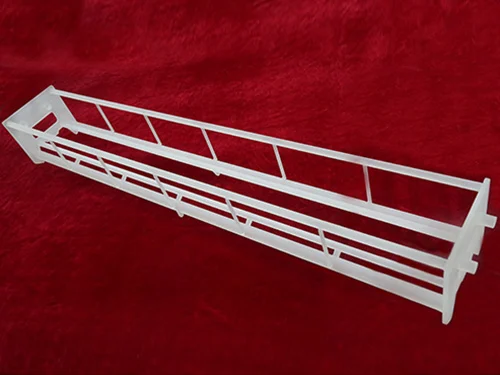
Relationship Between Slot Pitch Tolerance and Yield
The correlation between wafer boat slot pitch tolerance and yield outcomes is a critical aspect of semiconductor manufacturing. Slot pitch tolerance refers to the permissible variation in the distance between slots in a wafer boat, which is essential for efficient processing. When slot pitch deviates from its designated tolerance levels, it can lead to misalignment during wafer loading and unloading, increasing the likelihood of defects during processing.
Variations in slot pitch can lead to several issues, such as inconsistent wafer placement, which may cause improper exposure during lithography or failed etching processes. These misalignments can ultimately result in decreased product quality and increased defect rates, thus adversely impacting overall yield. For instance, a study conducted in a production environment found that a mere 0.1 mm deviation in slot pitch could lead to a decrease in yield by as much as 15%. This highlights how seemingly minor adjustments can have substantial repercussions on the final outcomes.
Furthermore, historical data suggests that yield fluctuations can often be traced back to slot pitch tolerance issues. In one particular case, a semiconductor facility experienced a yield reduction of 20% after implementing a new wafer boat design that did not adequately address slot pitch specifications. This scenario underscores the importance of maintaining precise control over slot pitch tolerance to ensure optimal yield and minimize the occurrence of manufacturing defects.
Effective monitoring and management of slot pitch tolerance are, therefore, essential for maintaining high yields in manufacturing processes. Employing statistical process control (SPC) techniques to regularly assess these tolerances can help identify potential issues early, allowing for timely interventions to prevent yield degradation.
Strategies for Optimizing Slot Pitch Tolerance
Manufacturers play a crucial role in optimizing wafer boat slot pitch tolerance, which directly influences the yield in semiconductor fabrication processes. Identifying effective strategies is essential to achieving precise alignment and better overall performance. One of the primary strategies is adopting best practices in measurement techniques. Utilizing high-precision measurement tools, such as laser alignment systems and optical measurement devices, ensures that slot pitch is evaluated accurately. These tools help in identifying variations that could affect the alignment of wafers in the manufacturing process.
Another important strategy involves ensuring proper alignment during the loading of wafers onto the boat. Implementing automated loading systems can enhance consistency and minimize human error, thereby improving the slot pitch tolerance. Advanced robotics and automated systems can provide precise control over wafer positioning, helping to maintain optimal spacing and alignment throughout manufacturing runs.
Incorporating technological advancements is equally vital in this optimization process. Innovations such as artificial intelligence and machine learning can be employed to analyze data collected from previous batches, predicting potential misalignments or deviations in slot pitch tolerance. By leveraging these technologies, manufacturers can adjust their processes more proactively, thereby enhancing yield.
Regular maintenance and calibration of equipment cannot be overlooked. Establishing a routine schedule for equipment checks and recalibrations ensures that any potential drifts in performance are identified and corrected promptly. This proactive approach to equipment health aids in maintaining high standards of quality control and contributes to consistent production outcomes.
Ultimately, the combined efforts of implementing precise measurement practices, adopting technology-driven solutions, and ensuring comprehensive equipment maintenance can significantly enhance the slot pitch tolerance in wafer boat operations, leading to improved yield in semiconductor manufacturing processes.
Case Studies and Real-world Applications
Effective management of wafer boat slot pitch tolerance plays a crucial role in optimizing semiconductor yield. Through various case studies, we can observe how different manufacturers have approached this challenge, resulting in significant improvements in yield and defect reduction.
One prominent case study involves a leading semiconductor manufacturer that implemented stringent tolerance measures in the production of memory chips. By analyzing their wafer boat slot configurations and aligning equipment settings within specified limits, they reported a yield increase of over 20%. The adjustments not only streamlined their production process but also minimized the incidents of misalignment during wafer handling, which is often a contributing factor to defects.
Another case comes from a company specializing in microprocessors. They faced challenges with inconsistent yields attributed to variations in wafer boat slot pitch. By adopting a rigorous calibration protocol for their slot pitch measurements, they were able to achieve more uniform handling characteristics across their production lines. This not only improved the overall quality of their microprocessors but also reduced the defect rate by approximately 15% over the course of a year.
A third case study illustrates the benefits experienced by a startup semiconductor firm that prioritized slot pitch tolerance in their operational strategy from the beginning. By integrating advanced measurement technologies early in the design phase, they established tight control over slot pitch variations. This proactive approach allowed them to achieve higher yields right from their initial production runs, setting them apart in a highly competitive market.
These case studies collectively highlight the importance of managing wafer boat slot pitch tolerance actively. The tangible results seen in yield improvement and defect reduction can serve as foundational lessons for other manufacturers. As the semiconductor industry continues to evolve, the insights gained from these real-world applications are invaluable for driving further innovations in yield optimization.