When selecting optical quartz glass plates for deep-UV lithography windows, excimer laser cavities or high-power laser applications, your main concerns are usually purity to prevent contamination, excellent UV transmission, thermal shock resistance, and precise surface finish to minimize scattering or damage. The key is to focus on high-purity material ≥99.99% SiO₂, proper polishing method (optical polishing or flame polishing), controlled annealing for stress relief, and tight tolerances that match your design. With 25 years of experience producing custom quartz plates for semiconductor and optical customers worldwide, even small deviations can affect performance significantly. In 2025, deep-UV and high-power applications continue to demand reliable materials – choosing the right optical quartz glass plate helps maintain high transmission from deep UV through near-IR and excellent stability under thermal cycling. Here is practical guidance based on our daily production experience.
Key Advantages of Optical Quartz Glass Plates
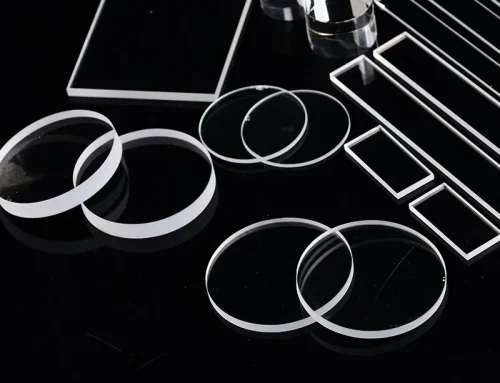
Optical quartz glass plates are precision-fabricated from high-purity fused quartz, offering outstanding broadband transmission and thermal stability for demanding environments.
Material Purity and Transmission
≥99.99% SiO₂ purity ensures minimal contamination risk and superior UV to near-IR transmission, especially in 185-254nm range for UV-grade material.
Thermal and Mechanical Properties
Low thermal expansion, high softening point, and excellent thermal shock resistance allow reliable performance during rapid temperature changes.
Main Specifications for Optical Quartz Glass Plates
These are the parameters we achieve in regular production – focus on them when reviewing options.
Purity Level
SiO₂ ≥99.99% with low metallic impurities for clean processing environments.
Available Dimensions and Tolerances
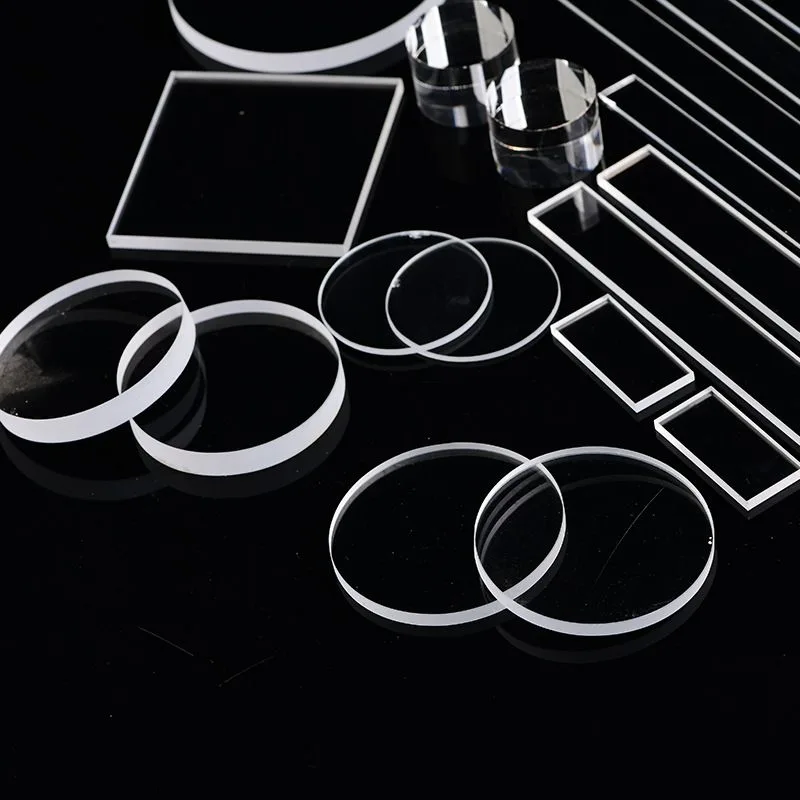
Square, rectangular or circular shapes up to maximum 1200mm, thickness 1-50mm with high-precision tolerances available.
Typical Parameter Table (Our Standard Production Range)
| Parameter | Specification |
|---|---|
| Purity (SiO₂) | ≥99.99% |
| Maximum Size | Up to 1200mm |
| Thickness Range | 1-50mm |
| Surface Finish Options | Optical polishing (single/double side), precision grinding, flame polishing |
| Edge Treatment | Diamond cut, chamfering, flame-polished edges |
| Thermal Shock Resistance | Excellent (low expansion coefficient) |
Choosing Thickness and Size for Your Application
Match the plate specifications carefully to your optical path and mechanical requirements.
Common Thickness Selection
Thickness from 1mm to 50mm – thinner for minimal absorption, thicker for structural strength.
Large-Size Plate Considerations
Larger dimensions require careful handling during machining and annealing to maintain uniformity.
Surface Finishing Options
Surface quality directly affects optical performance and contamination risk.
Polishing and Edge Treatment
Optical polishing for flat surfaces, flame polishing for smooth edges and reduced particle generation.
Annealing for Stability
Controlled annealing minimizes internal stress and improves long-term reliability.
Custom Optical Quartz Glass Plate Process
We turn your drawings into finished parts following proven steps.
Main Production Steps
- Drawing and application review
- High-purity blank selection and cutting
- Rough shaping and grinding
- Precision CNC machining if needed
- Optical polishing or flame polishing
- Controlled annealing
- Final inspection and cleaning
Common Processing Options Table
| Process | Purpose | Typical Result |
|---|---|---|
| CNC Machining | Complex shapes, holes, chamfers | Tight dimensional tolerances |
| Optical Polishing | Flat, low-scatter surfaces | High transmission surfaces |
| Flame Polishing | Smooth edges, sealed surfaces | Reduced particle generation |
| Annealing | Stress relief | Improved thermal stability |
Common Considerations During Selection
- UV absorption in deep-UV range
- Surface scattering from finish quality
- Thermal stress under cycling
- Thickness uniformity issues
- Edge chipping during handling
- Dimensional accuracy for assembly
- Contamination risk from surface
- Long-term devitrification
- Lack of detailed inspection data
FAQ
Q1: What purity level do you use for optical plates?
A: ≥99.99% SiO₂ to ensure clean performance and high transmission.
Q2: Can you achieve optical polishing on both sides?
A: Yes, single or double-side optical polishing is standard.
Q3: What is the largest plate size available?
A: Up to 1200mm depending on shape and thickness.
Q4: Do you provide flame-polished edges?
A: Yes, flame polishing is commonly applied for smooth, clean edges.
Q5: How do you handle thermal shock resistance?
A: Low expansion coefficient and proper annealing provide excellent resistance.
Q6: Can custom shapes be machined?
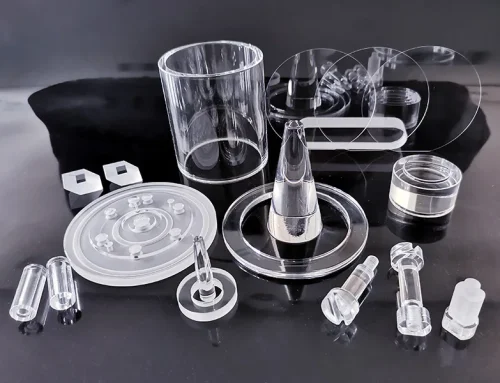
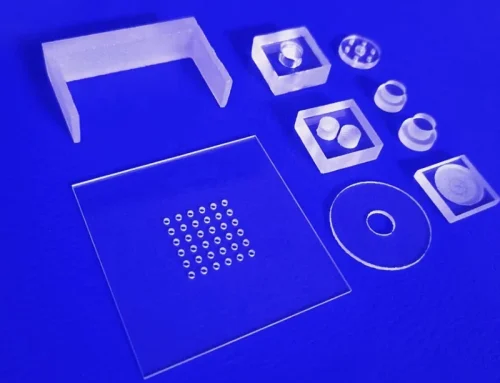
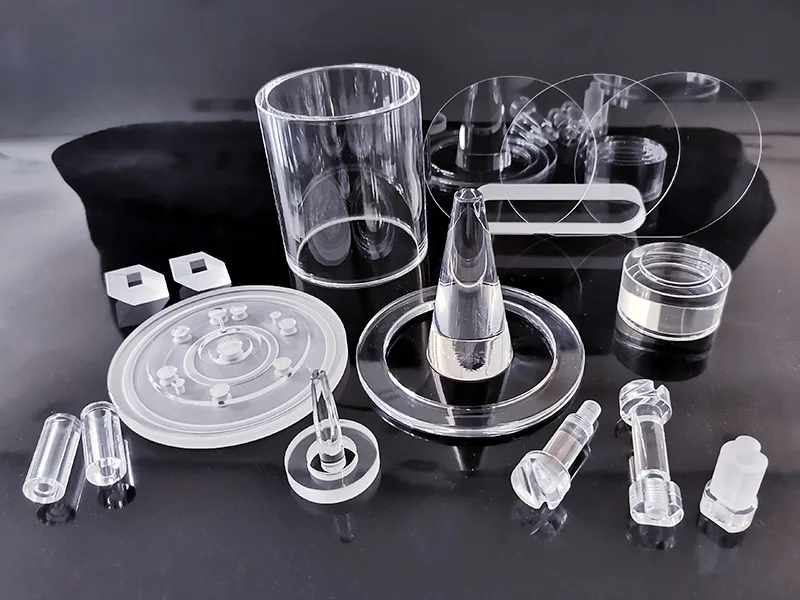
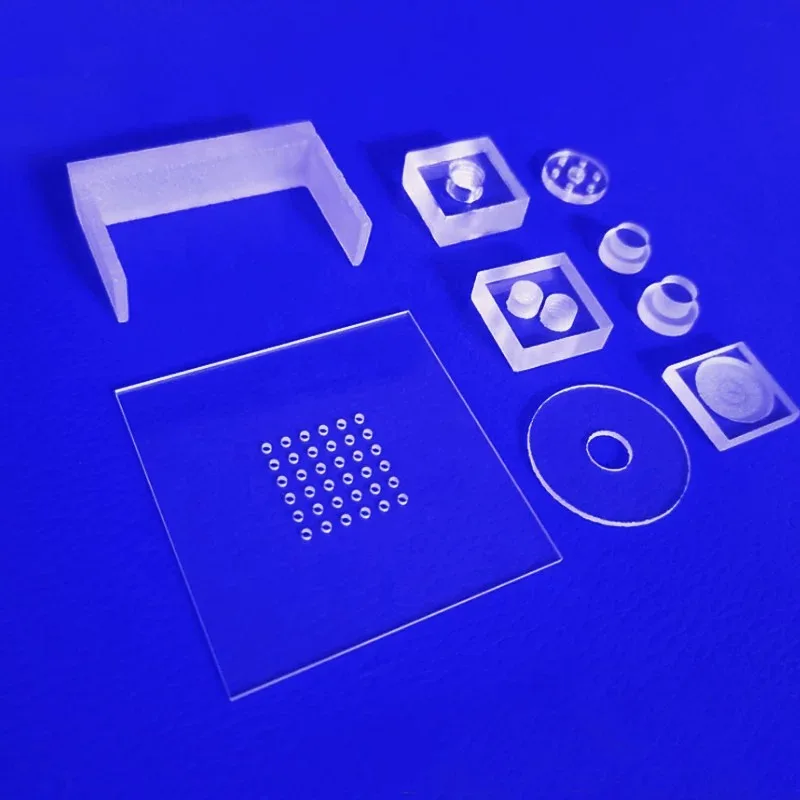
A: Yes, multi-axis CNC allows complex geometries from your CAD drawings.
Q7: What thickness tolerances are possible?
A: High-precision tolerances available based on requirements.
Q8: Is controlled annealing always performed?
A: Yes, to minimize stress and ensure reliability.
Welcome to contact us now for the latest optical quartz glass plate selection advice and precision custom solutions.