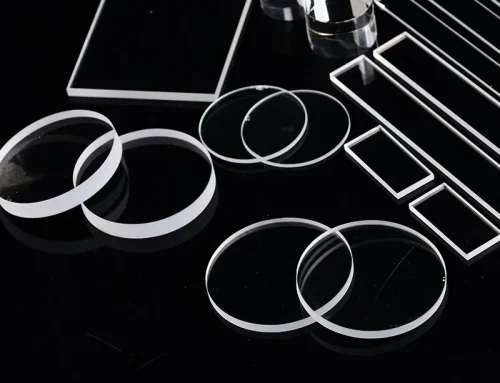
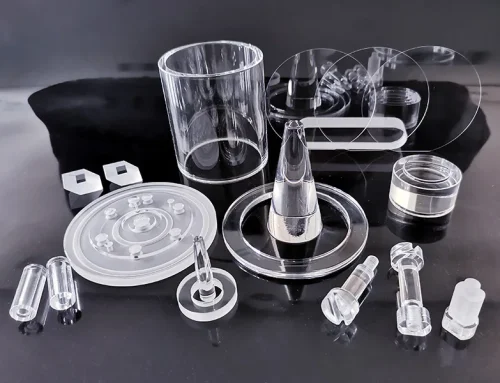
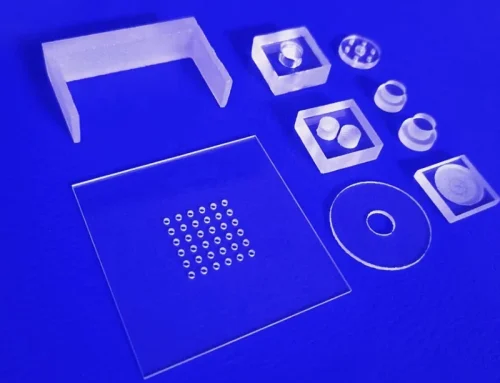
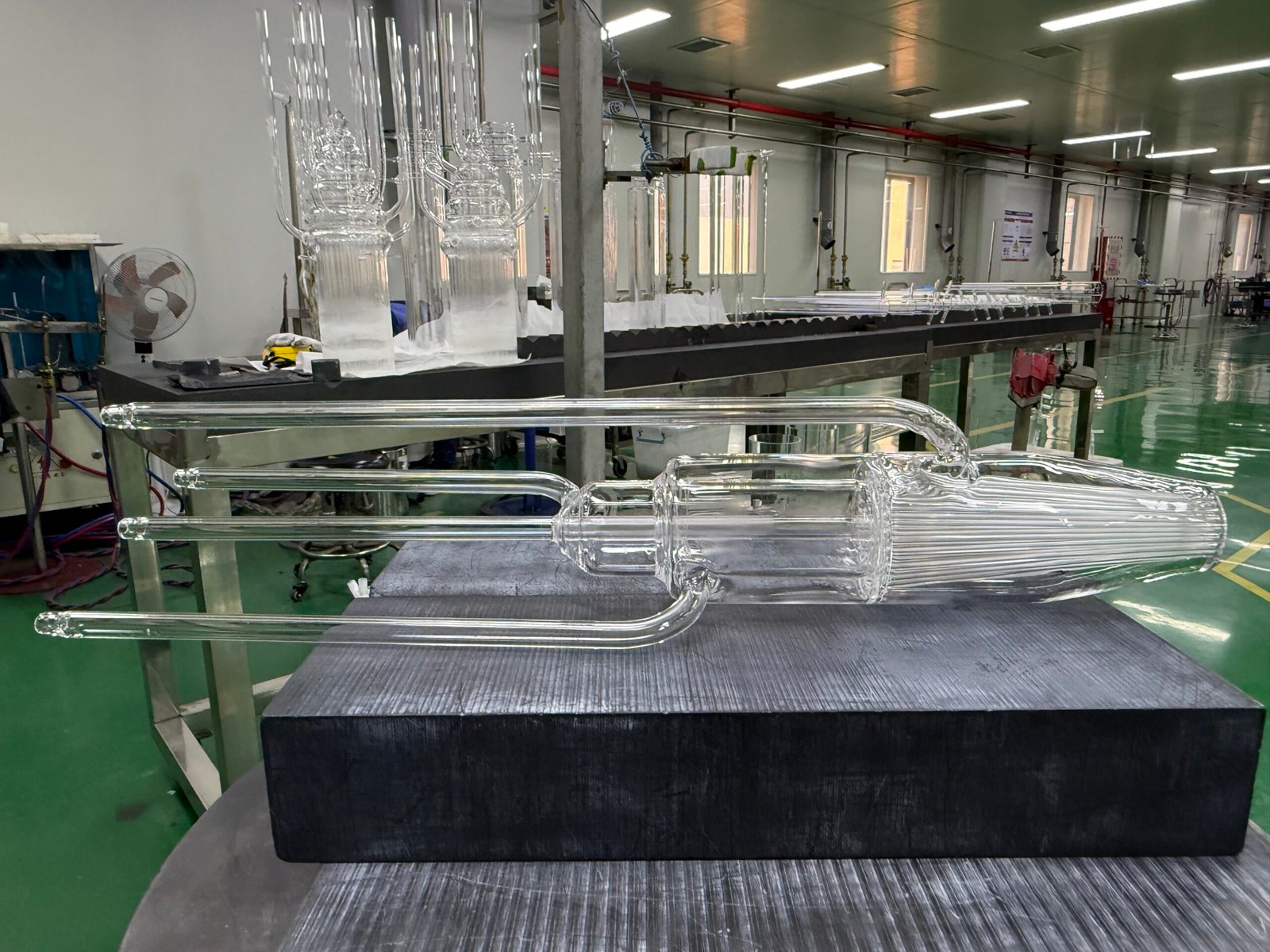
High-purity quartz glass rod is a critical high-performance material, valued for its low metallic impurity levels, excellent thermal stability, high optical transparency, and strong chemical inertness. These characteristics make it indispensable in high-precision industries where material purity, dimensional stability, and reliability are essential. From semiconductor processing to optical and thermal engineering, quartz glass rods serve as fundamental components in advanced systems.
What Is High-Purity Quartz Glass Rod?
High-purity quartz glass rod is a solid cylindrical component manufactured from ultra-pure fused quartz (fused silica) with a SiO₂ content ≥99.99%. Through controlled melting, forming, and annealing processes, total metallic impurities are maintained at <20 ppm, while hydroxyl (OH) content is kept below 10 ppm, ensuring stable performance in contamination-sensitive environments.
Compared with ordinary quartz or industrial glass rods, high-purity quartz glass rods are produced under stricter process controls to minimize trace metal contamination and structural defects. This balance of material purity, thermal stability, and mechanical integrity makes them suitable for demanding applications in semiconductor manufacturing, optics, laboratory equipment, and high-temperature systems.
Core Properties of High-Purity Quartz Glass Rod
1. High Material Purity
- SiO₂ purity: ≥99.99%
- Total metallic impurities: <20 ppm
- Hydroxyl (OH) content: <10 ppm
- Low particle generation and excellent chemical cleanliness
- Suitable for contamination-controlled processes
2. Excellent Thermal Stability
- Continuous operating temperature: up to 1100–1200°C
- Short-term maximum temperature: up to 1450–1500°C
- Thermal expansion coefficient: ~0.55 × 10⁻⁶ /°C
- Strong resistance to thermal shock during rapid heating and cooling
3. High Optical Transparency
- High transmittance across UV, visible, and infrared ranges
- Stable optical properties at elevated temperatures
- Suitable for optical, photonic, and analytical applications
4. Strong Chemical Inertness
- Resistant to most acids, alkalis, and organic solvents
- Exception: hydrofluoric acid (HF)
- Does not react with process gases, pharmaceuticals, or laboratory chemicals
5. Reliable Electrical Insulation
- Excellent dielectric properties even at high temperatures
- Low dielectric loss, suitable for electrical and thermal insulation applications
Key Applications of High-Purity Quartz Glass Rod
1. Semiconductor Manufacturing
- Wafer support rods, positioning pins, and alignment components
- Etching, diffusion, oxidation, and annealing equipment
- Low impurity levels help reduce contamination risk in wafer processing
2. Optics & Photonics
- Optical components, light guides, and laser-related assemblies
- Fiber-optic and photonic research systems
- High transparency ensures minimal optical signal loss
3. Medical & Pharmaceutical Equipment
- Precision components for analytical and diagnostic devices
- High-temperature and chemically inert parts in pharmaceutical processing
- Suitable for clean and controlled environments
4. Aerospace & Advanced Engineering
- High-temperature structural and insulating components
- Optical and sensor housings used in extreme environments
- Performs reliably under vacuum and temperature fluctuations
5. Laboratory & Industrial Equipment
- Stirring rods, sample holders, and analytical components
- High-temperature processing and thermal insulation parts
- Research and industrial systems requiring stable material properties
Machining High-Purity Quartz Glass Rod: Best Practices
Quartz glass rods are inherently brittle and require controlled machining processes to preserve dimensional accuracy and surface integrity.
1. Contamination Control
- Clean machining environments are recommended
- Use high-purity water during processing
- Avoid contact with metallic debris or abrasive contaminants
2. Tool Selection
- Diamond tools are preferred for cutting and grinding
- Sharp tooling minimizes chipping and surface defects
3. Machining Parameters
- Low feed rates and controlled cutting forces
- Gradual material removal to reduce internal stress
- Proper cooling to avoid thermal damage
4. Post-Machining Treatment
- Ultrasonic and high-purity cleaning
- Surface polishing when required
- Controlled annealing to relieve internal stress
How to Choose High-Quality High-Purity Quartz Glass Rod
1. Verify Material Certification
- Confirm SiO₂ purity and impurity limits
- Request quality documentation when required
2. Check Surface Quality
- Smooth, uniform surface without visible defects
- No cracks, inclusions, or cloudiness
3. Confirm Dimensional Specifications
- Diameter range: φ3 – 300 mm
- Dimensional tolerance: ±0.1 mm (standard industrial grade)
- Length and straightness customized per application
4. Match Material to Application
- Fused quartz preferred for high-temperature and optical uses
- Ensure compatibility with operating temperature and environment
5. Select an Experienced Manufacturer
- Proven expertise in quartz glass manufacturing
- Consistent quality control and customization capability
- Technical support for application-specific requirements
FAQs About High-Purity Quartz Glass Rod
Q: What distinguishes high-purity quartz glass rod from ordinary quartz rod?
A: High-purity rods feature controlled metallic impurity levels (<20 ppm), low OH content, and tighter process control, making them suitable for precision and contamination-sensitive applications.
Q: Can quartz glass rods be used in vacuum systems?
A: Yes. Fused quartz exhibits low outgassing and is widely used in vacuum furnaces and controlled-atmosphere environments.
Q: How should quartz glass rods be stored?
A: Store in a clean, dry environment, protected from dust and mechanical damage. Proper handling helps maintain surface quality.
Q: Is customization available?
A: Yes. Quartz glass rods can be cut, ground, and finished to specific dimensions and tolerances according to application needs.
Conclusion
High-purity quartz glass rod is a reliable material for applications requiring thermal stability, chemical inertness, and dimensional consistency. With controlled purity, excellent high-temperature performance, and stable optical properties, it plays a vital role in semiconductor manufacturing, laboratory systems, industrial heating, and advanced engineering applications.
Selecting the right quartz glass rod—and a capable manufacturing partner—ensures consistent performance and long service life in demanding environments.