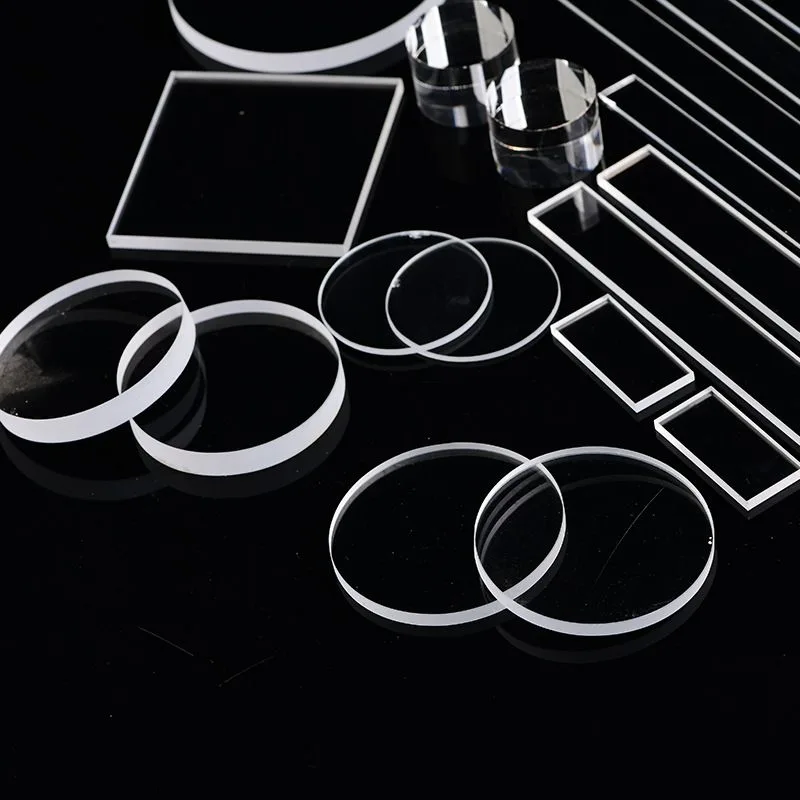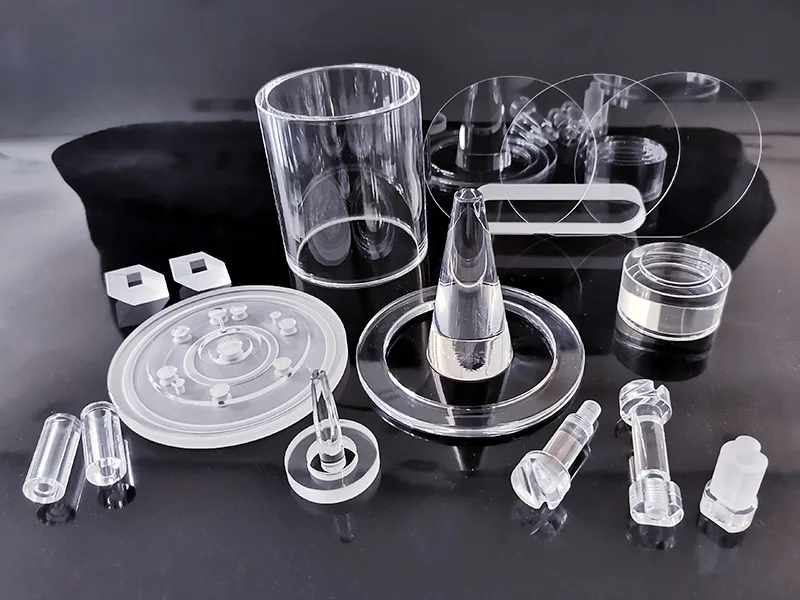
Quartz glass is a cornerstone material in high-precision industries, valued for its exceptional thermal stability, optical transparency, and resistance to aggressive chemicals. However, even the highest-purity quartz glass cannot meet demanding application requirements without proper surface finishing. This is where fire polishing quartz glass plays a critical role.
Fire polishing—also known as flame polishing—refines quartz glass surfaces by controlled thermal treatment, transforming rough or machined surfaces into smooth, glossy, low-defect finishes. The process is widely used in semiconductor manufacturing, medical devices, optics, and laboratory equipment, where surface quality directly impacts performance, cleanliness, and reliability.
This guide explains what fire polishing quartz glass is, how it works, its key benefits, typical applications, and how to select a qualified service provider.
What Is Fire Polishing Quartz Glass?
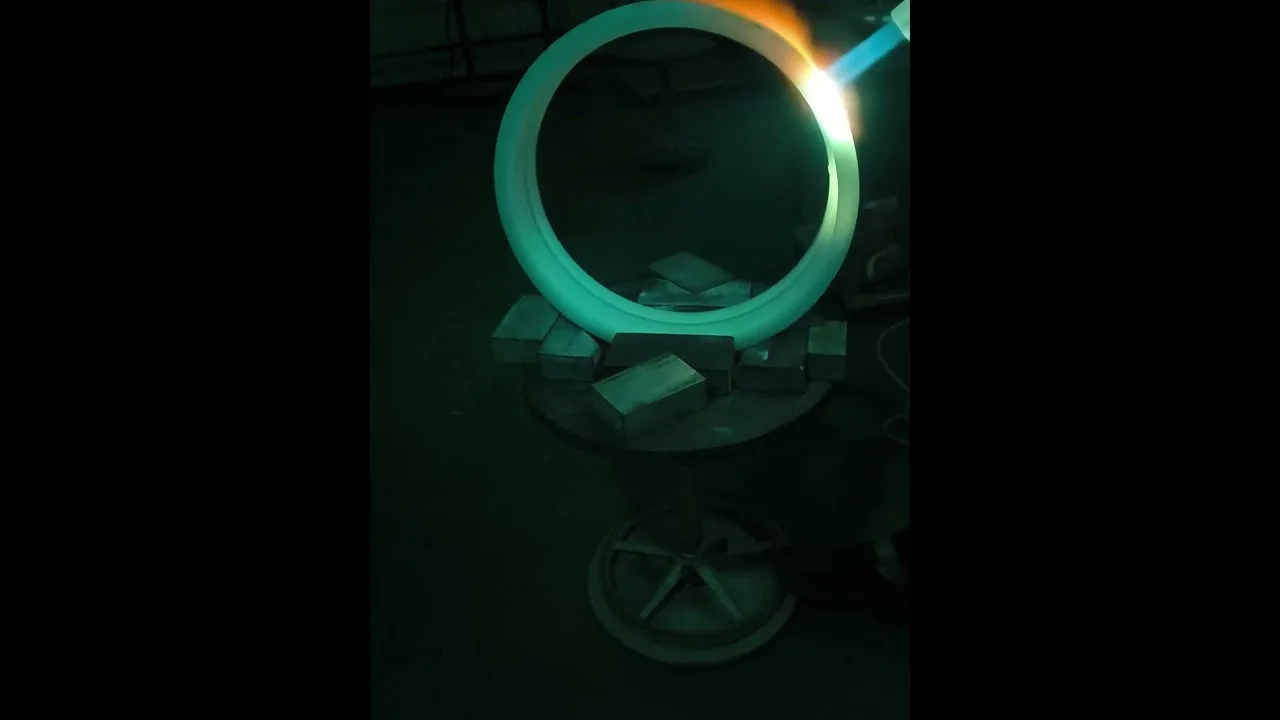
Fire polishing quartz glass is a thermal surface-finishing process in which the outermost layer of quartz glass is briefly melted using a precisely controlled high-temperature flame. Quartz glass has a melting point of approximately 1713 °C, and during fire polishing only the surface microlayer is softened and reflowed.
As the surface cools and re-solidifies, surface irregularities such as micro-scratches, machining marks, and minor cracks are reduced or eliminated, resulting in a smooth and uniform finish. Unlike mechanical polishing, fire polishing does not rely on abrasives, which can introduce subsurface damage or residual stress.
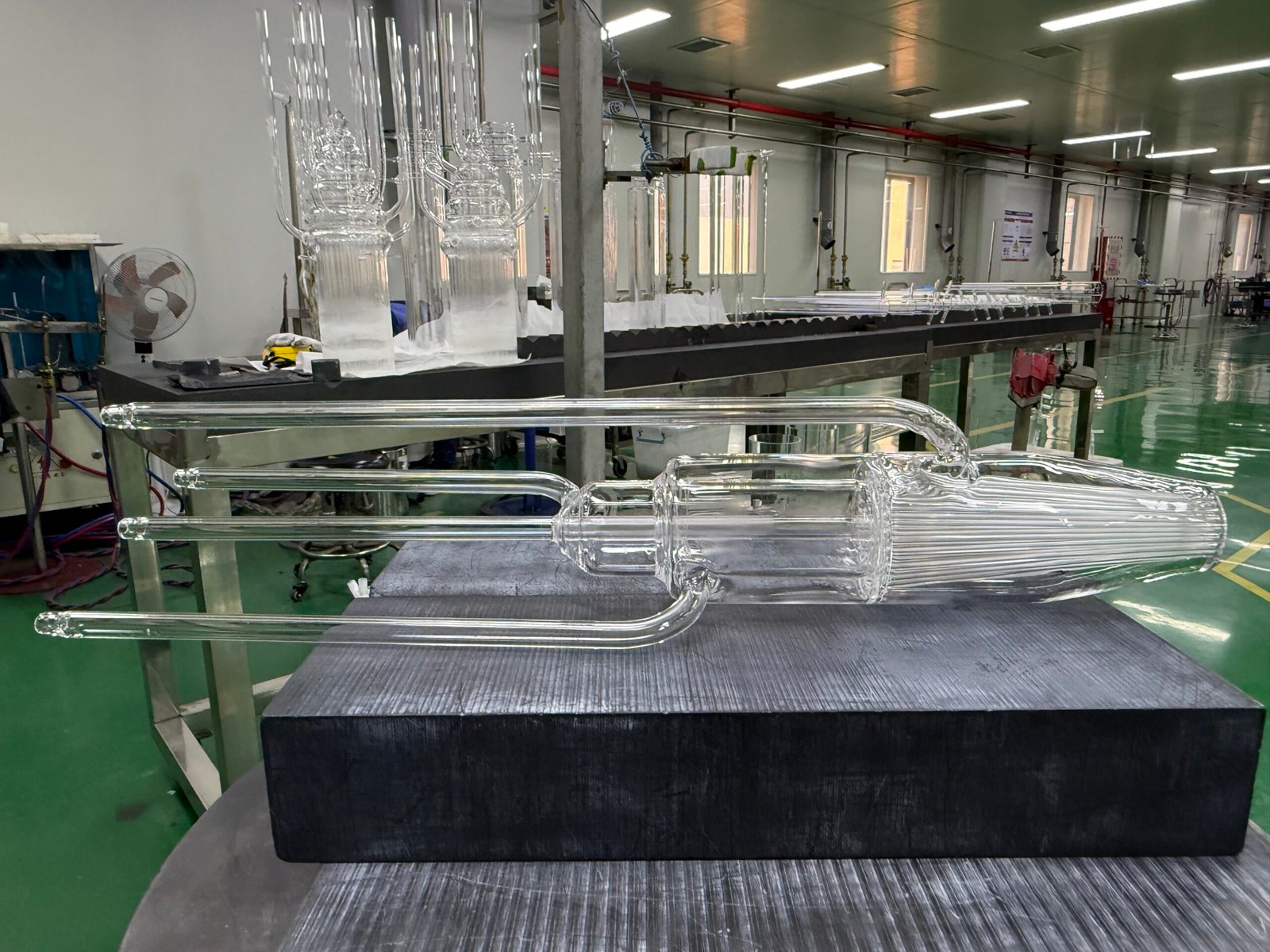
Common flame sources include hydrogen-oxygen and propane-oxygen systems, selected based on component size, geometry, and surface requirements. Successful fire polishing depends on precise control of flame temperature, exposure time, and movement to avoid deformation or internal stress.
Why Choose Fire Polishing for Quartz Glass?
Fire polishing offers several advantages that make it the preferred finishing method for many high-performance quartz glass components.
Exceptional Surface Smoothness
By reflowing the surface layer, fire polishing removes micro-cracks and surface defects, producing a smooth, glossy finish suitable for high-purity and optical applications.
Improved Optical Performance
A smoother surface reduces light scattering and enhances optical transmission, making fire-polished quartz ideal for optical windows, lenses, light guides, and laser components.
Reduced Surface Stress
Compared with aggressive mechanical polishing, controlled flame treatment can reduce surface-level stress, improving resistance to thermal cycling and minimizing the risk of cracking.
Enhanced Chemical Resistance
A defect-free surface reduces areas where chemicals or particles can adhere, improving corrosion resistance and cleanability—critical for laboratory and semiconductor environments.
Suitability for Complex Geometries
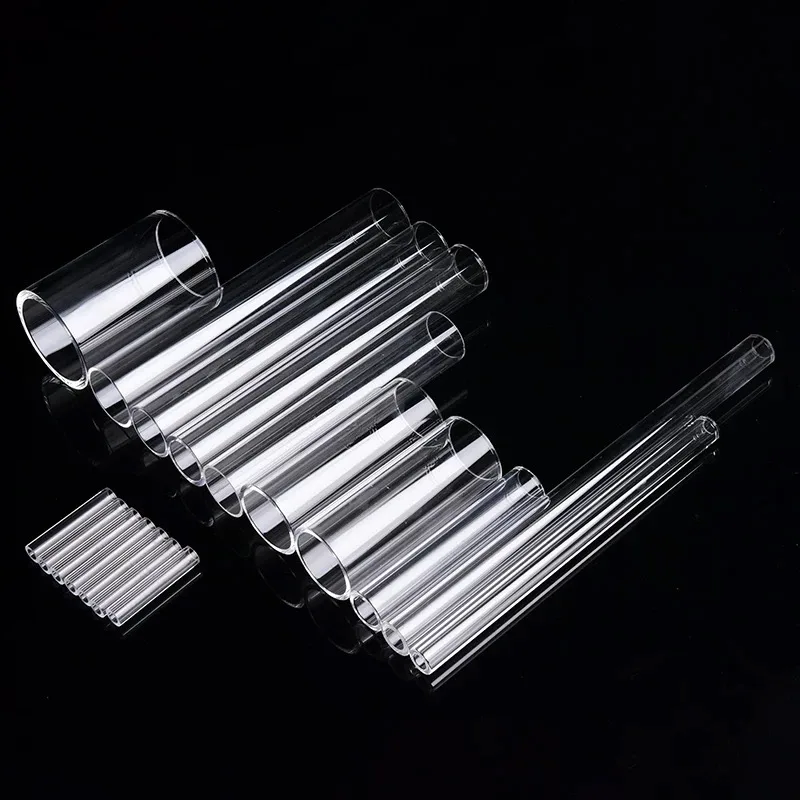
Fire polishing is particularly effective for quartz tubes, curved surfaces, and custom-shaped components that are difficult or inefficient to polish mechanically.
The Fire Polishing Quartz Glass Process: Step by Step
While parameters vary depending on part geometry and application, the fire polishing process generally follows these steps:
1. Pre-Cleaning
Quartz components are thoroughly cleaned to remove oils, dust, and contaminants. Ultrasonic cleaning with suitable detergents followed by rinsing in deionized water is commonly used. Any residue left on the surface may become permanently embedded during heating.
2. Flame Setup and Calibration
The flame system is adjusted to achieve a stable, controlled temperature. A neutral or slightly reducing flame is typically preferred to avoid surface contamination or oxidation effects.
3. Surface Polishing
The quartz component is moved steadily through the flame to ensure uniform heating. Only the outer micrometers of the surface are melted; excessive heating can lead to distortion or dimensional changes.
4. Controlled Cooling and Optional Annealing
After polishing, the component is allowed to cool gradually to minimize thermal stress. For high-precision or thick-walled parts, an additional annealing process may be applied to further relieve internal stress.
5. Inspection and Quality Verification
Finished parts are inspected for surface quality, optical clarity, and dimensional stability using visual inspection, microscopy, and optical or transmittance testing where required.
Applications of Fire Polished Quartz Glass
Fire-polished quartz glass components are essential in industries where surface quality, purity, and reliability are critical.
Semiconductor Manufacturing
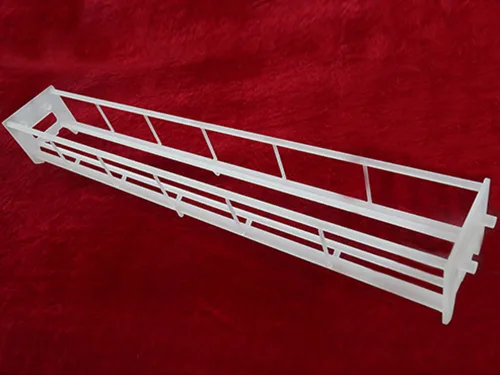
Quartz boats, tubes, liners, and process chambers benefit from fire polishing by reducing particle adhesion and contamination in wafer processing environments.
Medical and Laboratory Equipment
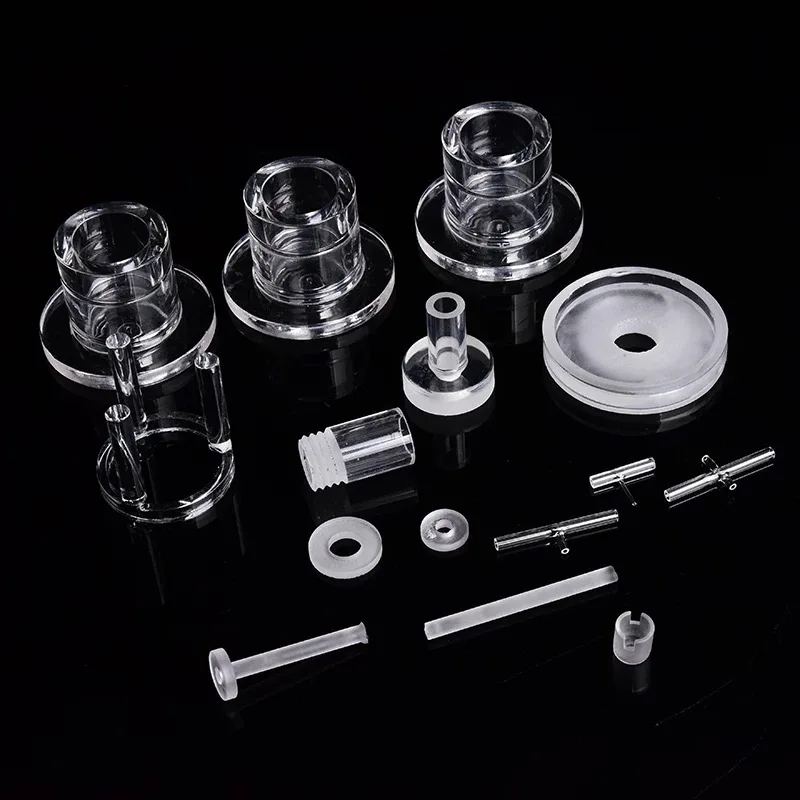
Fire-polished cuvettes, beakers, reaction vessels, and medical optical components offer improved chemical resistance, cleanliness, and transparency.
Optics and Photonics
Optical windows, lenses, prisms, and fiber-optic components use fire-polished quartz to achieve high light transmission and minimal optical distortion.
Industrial Heating and Lighting
Quartz tubes for halogen lamps, UV systems, and heating elements rely on fire polishing to improve surface quality, thermal performance, and service life.
Aerospace and Defense
Sensors, optical housings, and thermal imaging components use fire-polished quartz for its durability under extreme temperature and environmental conditions.
How to Choose a Reliable Quartz Glass Fire Polishing Service
Selecting the right service provider is essential for achieving consistent and reliable results.
- Quartz-Specific Expertise: Choose a provider with proven experience in quartz glass processing, not just general glass polishing.
- Process Control and Quality Inspection: Look for documented inspection procedures and surface quality verification.
- Appropriate Equipment: Advanced flame control systems improve consistency, especially for tight tolerances or repeat production.
- Customization Capability: Ensure the supplier can handle your specific component size, geometry, and technical requirements.
- Industry Compliance: For semiconductor, medical, or optical applications, familiarity with relevant industry standards and quality systems is essential.
Conclusion
Fire polishing quartz glass is a vital finishing process that unlocks the full performance potential of quartz components. By improving surface smoothness, optical clarity, chemical resistance, and reliability, fire polishing enables quartz glass to meet the stringent demands of high-precision industries.
Whether used in semiconductor manufacturing, medical devices, optics, or industrial heating systems, professionally fire-polished quartz glass delivers consistent, high-quality performance. Partnering with an experienced quartz glass fire polishing provider ensures your components meet both technical and application-specific requirements.