Understanding Diffusion Furnace Technology
Diffusion furnace technology plays a pivotal role in the semiconductor manufacturing process, particularly in the doping of silicon wafers. A diffusion furnace is an insulated chamber where wafers are subjected to high temperatures, allowing the diffusion of dopants into the silicon lattice. This process is essential for altering the electrical properties of semiconductors, enabling the creation of various electronic components such as transistors and diodes.
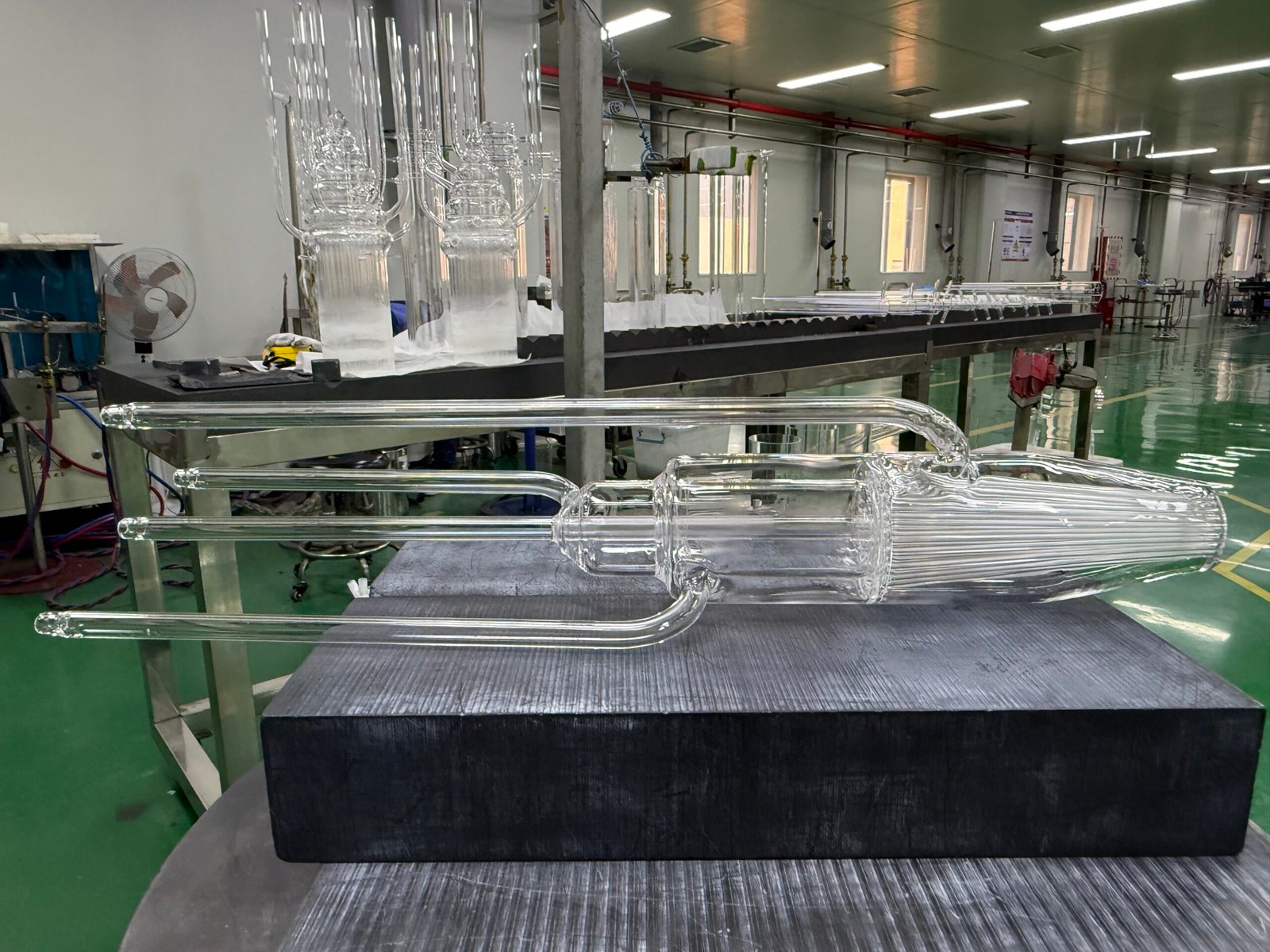
The fundamental principle behind diffusion furnaces is the controlled heating of wafers to high temperatures, typically ranging from 800°C to 1200°C. During this heating process, gases or vapors containing dopants are introduced into the furnace. The dopants diffuse into the wafer substrate, forming p-type or n-type regions essential for semiconductor functionality. The efficiency of this process is significantly influenced by the design and materials used in the diffusion system, including high purity quartz components that ensure minimal contamination and enhanced thermal stability.
There are several types of diffusion furnaces commonly employed in semiconductor manufacturing, including horizontal and vertical configurations. Horizontal diffusion furnaces are predominantly used due to their uniform temperature distribution and ease of wafer loading, while vertical systems can be advantageous in specific applications where space is a constraint.
Materials such as silicon carbide and quartz are essential in these systems, particularly quartz boats, which provide a stable environment for wafer handling during the heating process. High purity quartz minimizes contamination risk, thereby ensuring the integrity and effectiveness of the wafer processing. As the industry continues to develop, innovations in diffusion furnace technology and quartz boat design aim to enhance these processes, promising improvements in efficiency, yield, and overall production capabilities.
The Role of Quartz Boats in Wafer Processing
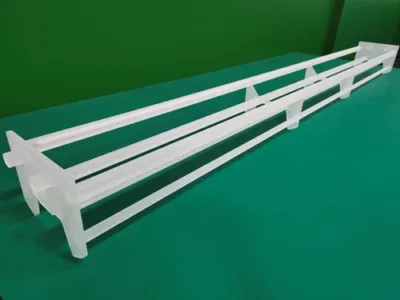
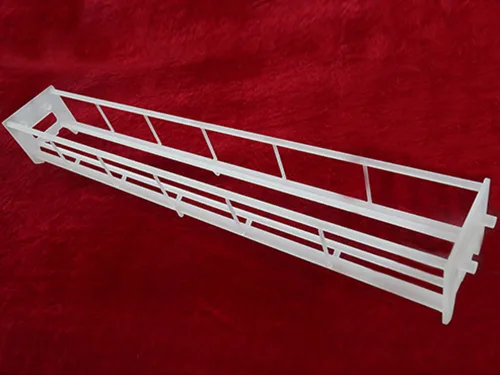
Quartz boats play an integral role in wafer processing within the semiconductor and photovoltaic manufacturing industries. These specialized containers are designed to hold silicon wafers securely during various thermal processes, particularly in diffusion furnaces. Their unique construction from high purity quartz ensures excellent thermal stability and resistance to extreme temperatures, making them ideal for use in environments where precise control over heating is paramount.
The design of quartz boats is critical to the efficiency and performance of wafer processing. Variations in temperature resistance and uniformity of heat distribution can significantly impact the quality of the wafers being processed. Effective quartz boat designs are engineered to achieve uniform thermal exposure, allowing each wafer to undergo the necessary chemical diffusion processes without undergoing thermal stress or degradation.
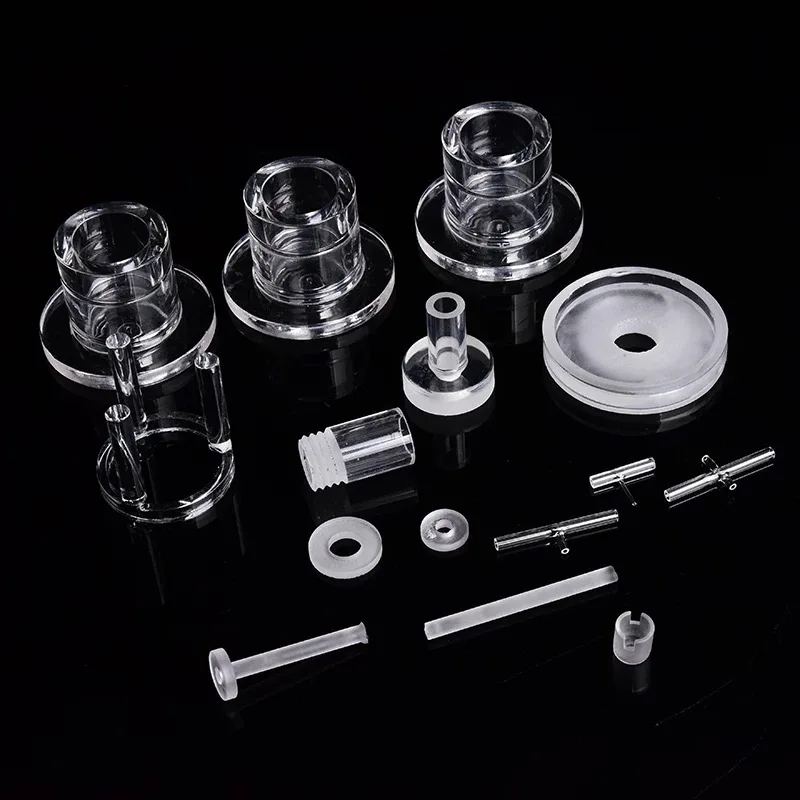
Moreover, contamination prevention is another vital factor that manufacturers must consider. The high purity quartz material used in quartz boats minimizes the risk of introducing impurities during the diffusion process, helping to maintain the integrity of the semiconductor materials. Customized quartzware solutions are often developed to meet specific production needs, ensuring that the unique requirements of different types of wafers are met, from standard silicon wafers to more advanced substrates.
As the semiconductor and photovoltaic sectors continue to advance, innovations in quartz boat design are expected to play a pivotal role in enhancing the efficiency and effectiveness of wafer processing. Companies like FGQuartz glass factory are at the forefront of creating these tailored solutions, contributing to the overall progress of diffusion furnace technology. By prioritizing factors such as heat resistance and contamination control, designers and manufacturers are setting the stage for more reliable and high-quality wafer production in an increasingly competitive market.
Optimization Strategies for Wafer Processing
The optimization of wafer processing within diffusion furnaces is crucial for enhancing yield rates and ensuring the reliability of semiconductor manufacturing and photovoltaic manufacturing processes. Key factors influencing wafer performance include temperature profiles, gas flow dynamics, and process timing, all of which need to be finely tuned for maximum efficiency.
Accurate temperature profiles are essential for achieving the desired dopant distribution within the silicon wafers. A controlled temperature gradient can prevent defects that compromise the quality of the wafers. Innovations in ceramic quartz boat design allow for uniform heating and more stable temperature management, reducing thermal shock and improving overall performance. Additionally, high purity quartz materials are employed to minimize contamination, which is vital for maintaining the integrity of the wafers during processing.
Gas flow dynamics within the furnace also play a critical role in wafer processing. The distribution and flow rates of various gases must be optimized to ensure even diffusion of dopants across the wafer surface. Advanced simulation software helps manufacturers predict gas behavior and make necessary adjustments in real-time, which enhances overall process control. This predictive capability can lead to more consistent results, directly influencing the yield and efficiency of the semiconductor manufacturing process.
Timing adjustments in the diffusion cycle are equally important. Automation technologies let manufacturers fine-tune process timing, which can significantly affect the final characteristics of the wafers. The integration of feedback loops and real-time monitoring systems optimizes cycle times, thereby improving throughput. Best practices in wafer processing advocate for continuous evaluation and adjustment of these variables, ensuring that the quartz boat, as a central component in the furnace tube process, operates optimally.
In conclusion, employing these optimization strategies not only enhances the performance and yield of fabricated wafers but also establishes a foundation for future advancements in quartzware design, ensuring ongoing progress in the semiconductor and photovoltaic manufacturing sectors.
Future Trends in Diffusion Furnace Technology
The evolution of diffusion furnace technology and quartz boat design is poised to play a crucial role in the advancement of semiconductor and photovoltaic manufacturing. As industries demand greater efficiency and purity in production processes, a significant shift towards innovative materials and improved manufacturing techniques is on the horizon. Some of the emerging trends in this sector encompass advancements in high purity quartz and wafer processing, which are essential for enhancing the performance and reliability of final products.
One of the anticipated innovations involves the development of new materials for quartz boats that can withstand higher temperatures and corrosive atmospheres while maintaining structural integrity. This would not only improve the durability of the wafers but also increase the overall yield of semiconductor devices and photovoltaic cells. Additionally, advancements in customized quartzware are expected to address specific needs within the industry, allowing for greater flexibility in design and application for varying production requirements.
Research and development (R&D) will continue to be a driving force behind the changes in diffusion furnace technology. Emerging techniques, such as automation and data analytics, can optimize the furnace tube process, enhancing efficiency and decreasing downtime. These technologies can enable predictive maintenance and real-time monitoring, ultimately leading to reduced operational costs and improved safety in manufacturing environments.
As the demand for semiconductors and renewable energy sources escalates, manufacturers will need to adapt to evolving requirements. This may necessitate significant alterations in diffusion processes and equipment design to comply with environmental regulations and meet consumer expectations. The interplay of competition, technological advancements, and R&D will shape the future of diffusion furnace technology and quartz boat design, facilitating continued innovation in high purity quartz applications.